
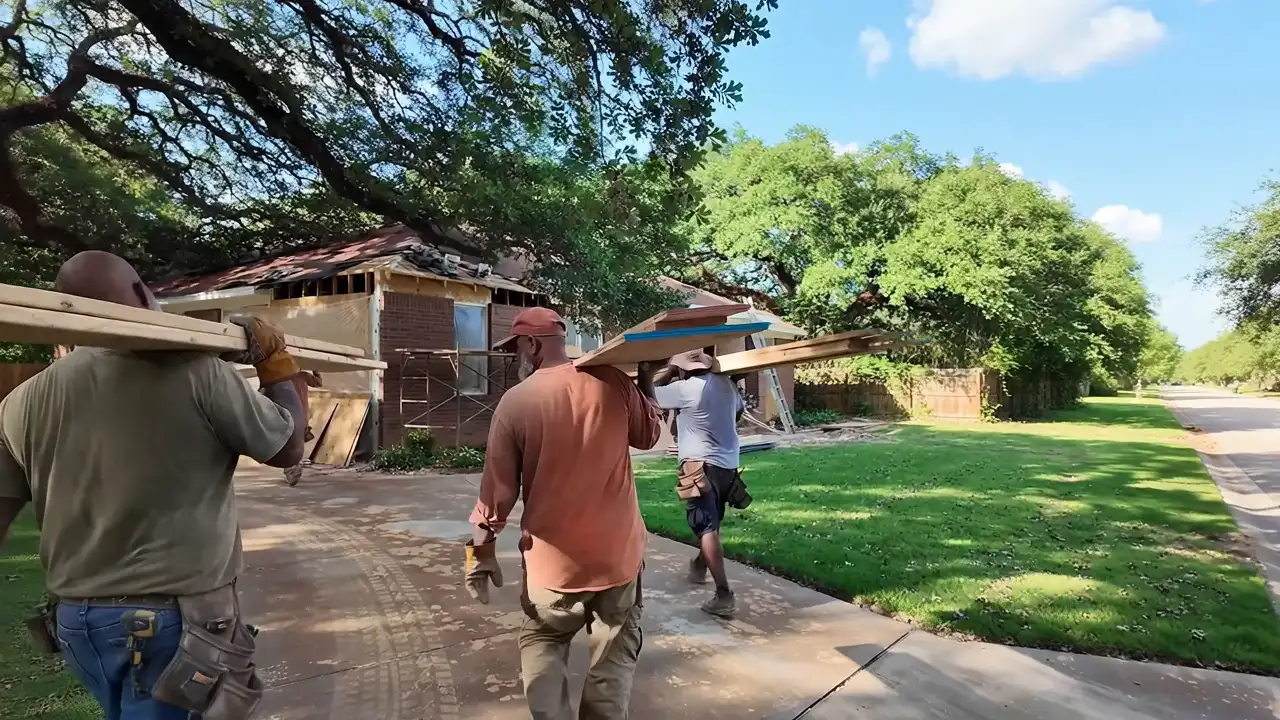
Fire damage restoration in Arlington, Texas
Arlington Fire Damage Restorationfrom the first board to the last coat of primer
A house fire in Arlington rarely stops at the room where it started. Smoke climbs into upstairs bedrooms and attics, hose water soaks carpet pad and sheetrock, and the next spring storm can pour through a roof that firefighters had to open. One call puts you through to an independent restoration contractor serving Arlington, who talks with you on that call about what your home needs.
Call-in only. Your call is put through to an independent restoration contractor.
- Board-up and roof tarps
- Drying after the fire hoses
- Soot and smoke cleanup
- Odor traced to its source
- A real person on the lineYour call goes straight through to an independent restoration contractor serving Arlington.
- Nothing to fill inNo forms, no email sign-up, no callbacks. The phone call is the service.
- Written for Arlington homesBrick ranch attics, two-storey stairwells, slab floors and hail season are all covered here.
- Every stage explainedRead how board-up, drying, soot, smoke and odor work before you call.
Key facts: Arlington Fire Damage Restoration
- Restoration after a fire usually runs in a set order: secure the house, dry it, clean soot and smoke, treat odor, then repair.
- Smoke spreads well beyond the burned room, through attics, stairwells and ductwork.
- The EPA advises drying water-damaged materials within 24 to 48 hours to help prevent mould [1].
- North Texas spring storms can add rain and hail damage to a fire-damaged roof [2].
- This site connects callers with independent contractors and does not do restoration work itself.
What you are facing
Problems a house fire leaves in Arlington homes
Most fire-damaged homes have several of these at once. Knowing which apply helps you explain your situation on the call.
A house left open to the weather
Cracked windows, a forced door and a vent hole in the roof let in rain, hail and intruders.
Read moreWet floors, walls and ceilings
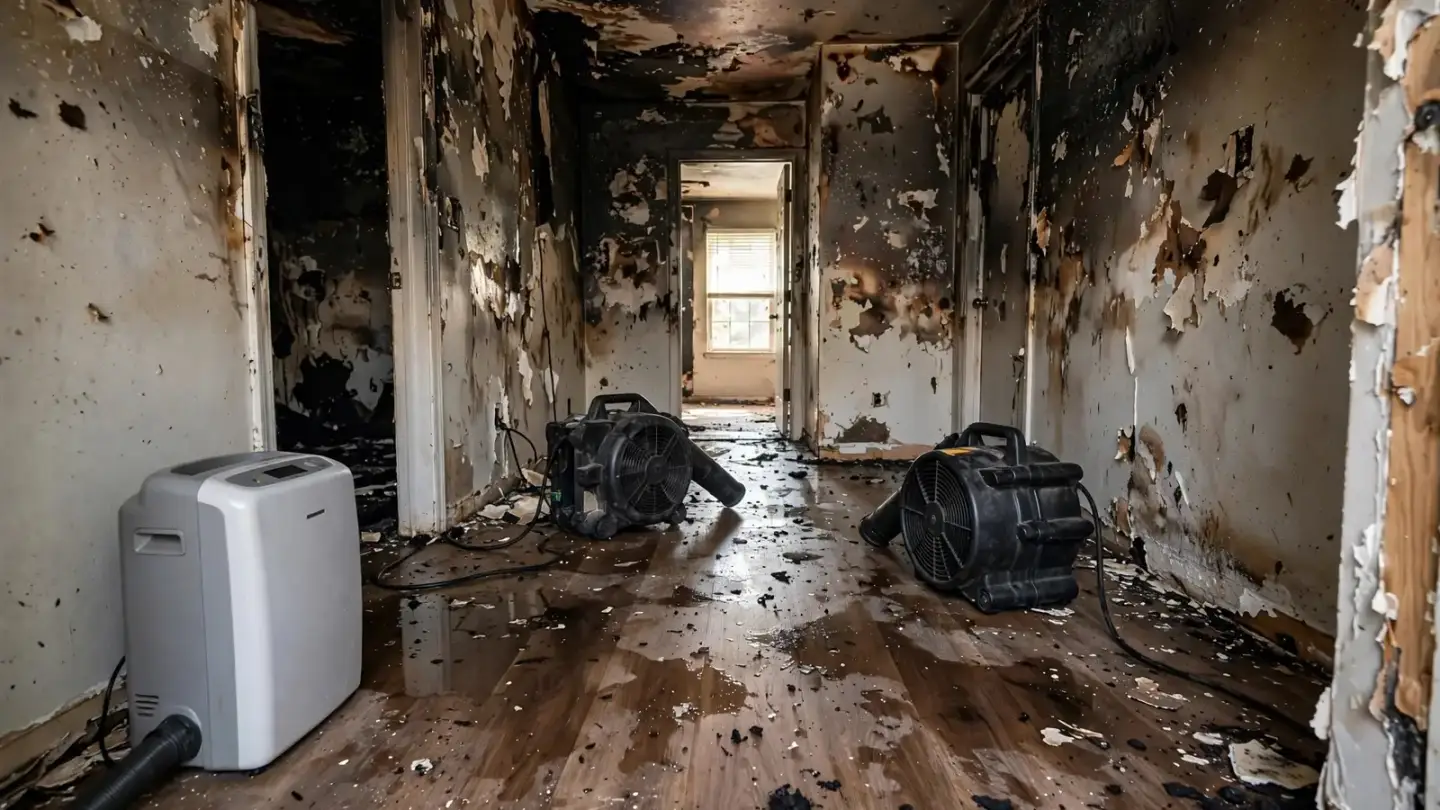
Hose water spreads past the fire and soaks pad, sheetrock and floor cavities.
Read moreBlack film on brick and texture
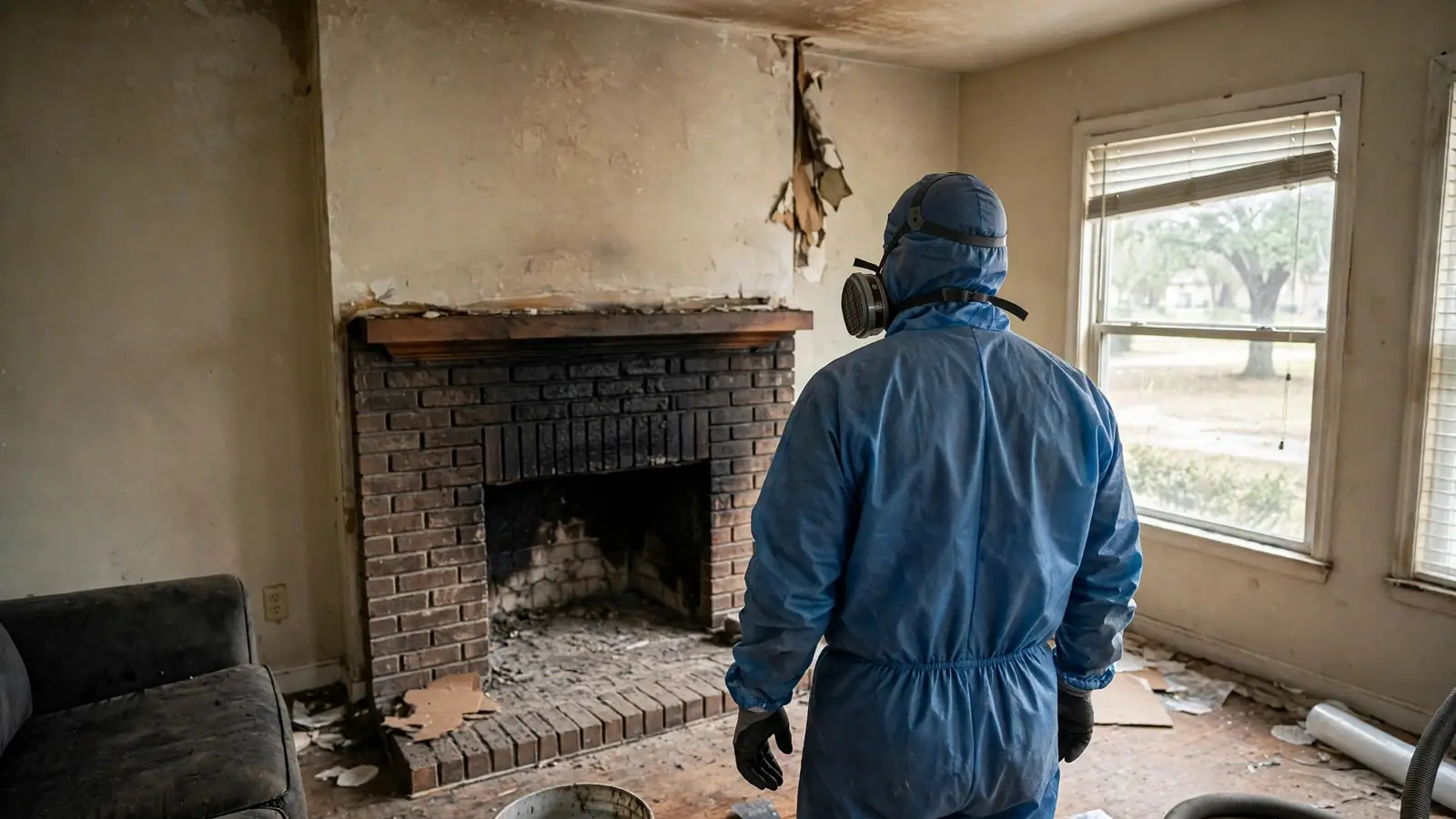
Soot settles into fireplace brick, ceiling texture and cabinets.
Read moreSmoke upstairs and in closets
Smoke climbs stairwells and spreads through the attic and ducts.
Read moreA smell that comes back every afternoon
Attic heat releases odor held in insulation and decking.
Read moreA garage that burned
Garage fires push heavy smoke into kitchens and rooms above.
Read more
Restoration services
Fire restoration services for Arlington homes
Each service page explains the work in detail and what to ask the contractor you speak with.
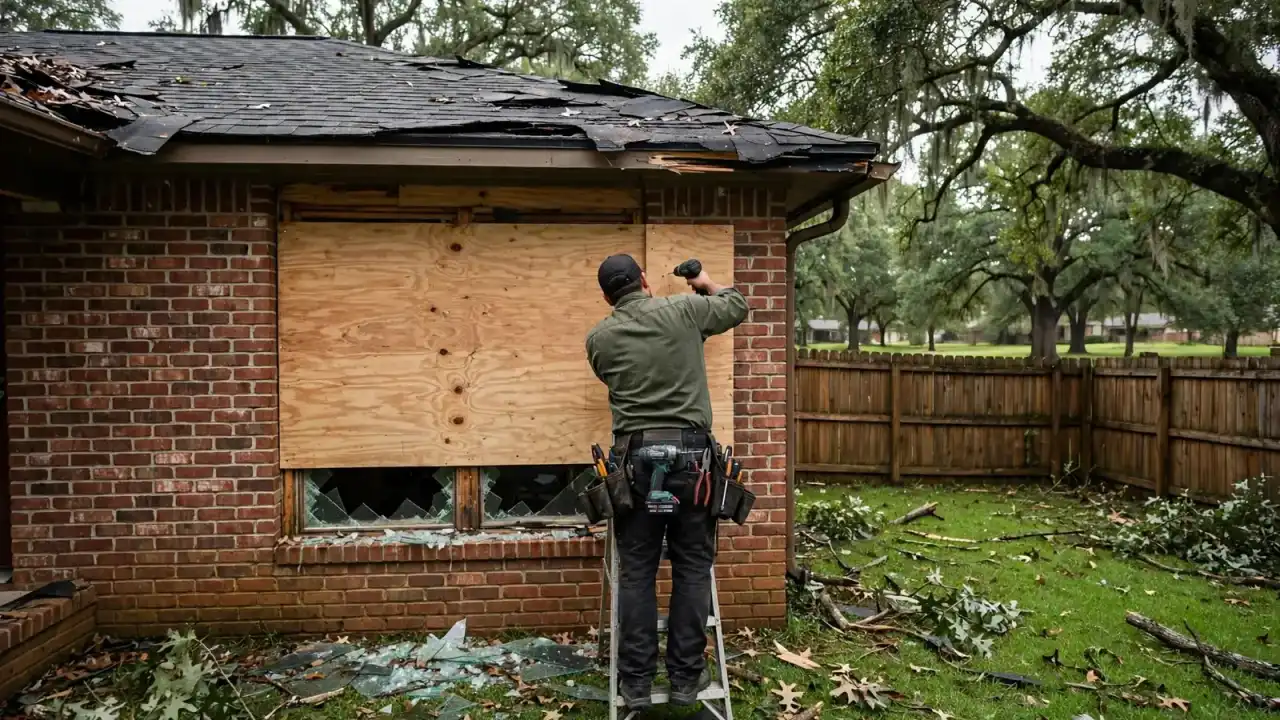
Board-Up and Tarping
Broken windows, forced doors and vent holes in the roof leave a burned house open to storms and trespassers. How Arlington homes are secured.
Explore service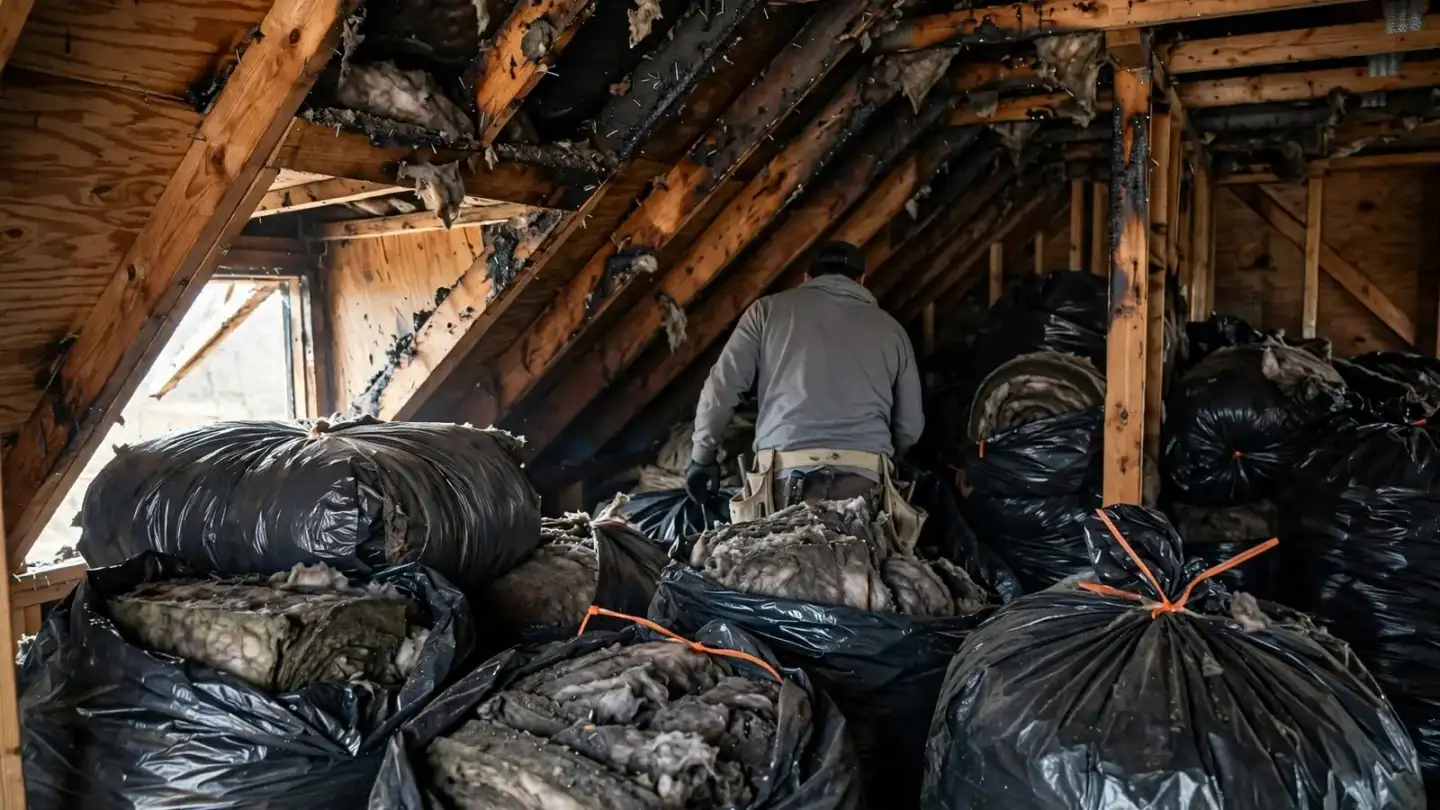
Odor Removal
Smoke smell hides in attics, ducts, cabinets and carpet pad. How Arlington odor jobs find the source and seal it for good.
Explore service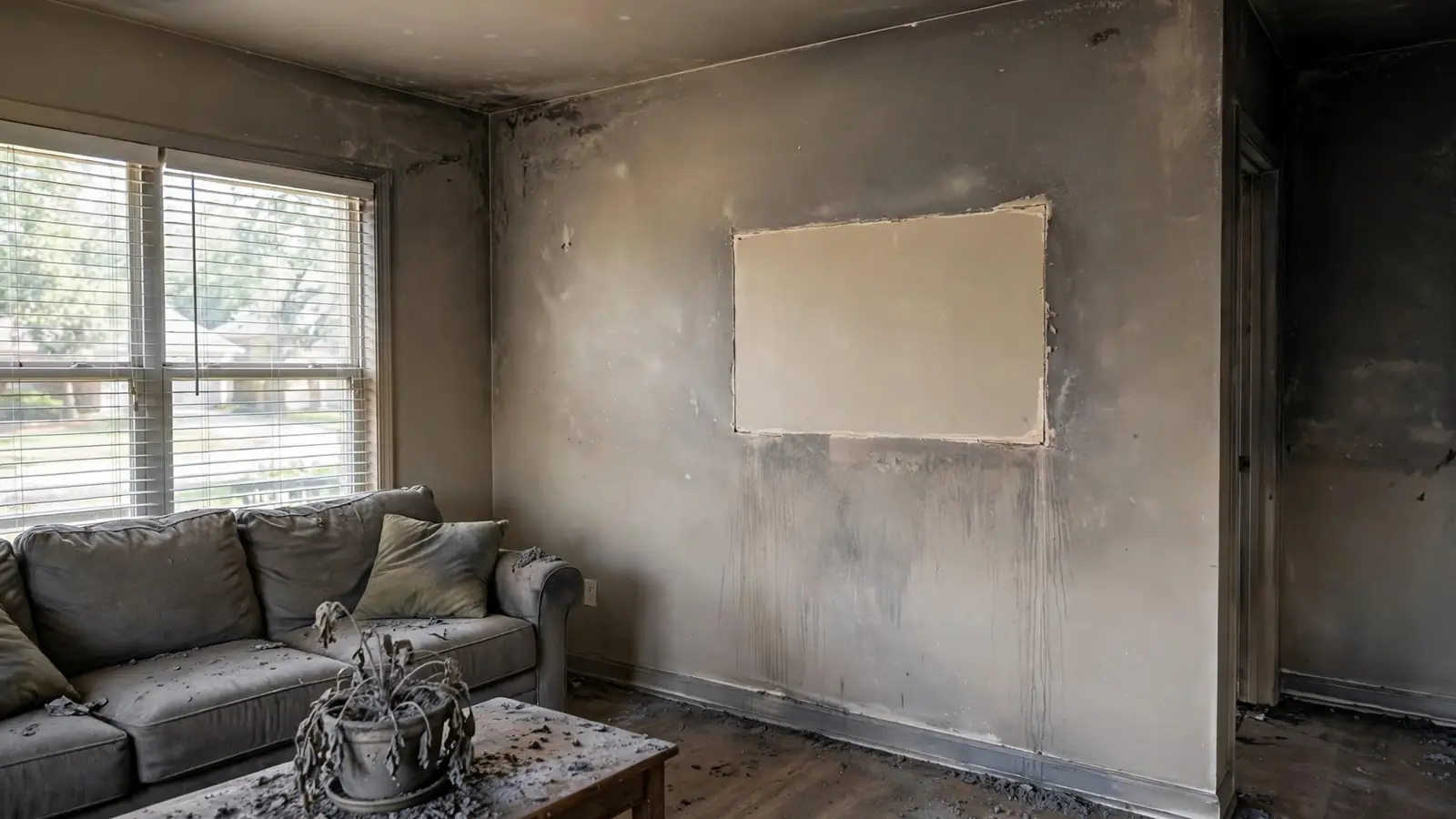
Smoke Damage Cleanup
Smoke reaches closets, attics and ducts far from the fire. How Arlington crews trace it and clean rooms, ducts and belongings.
Explore service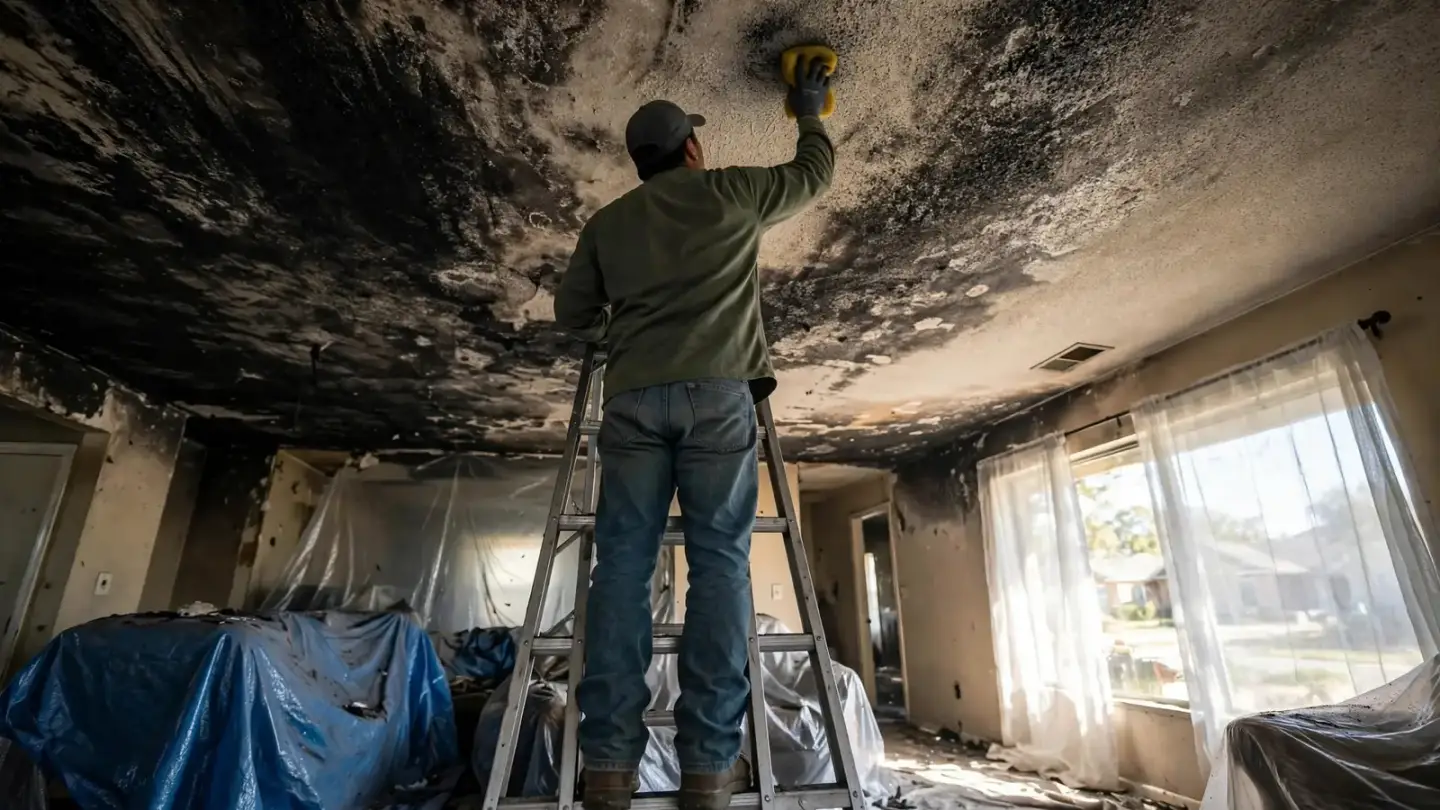
Soot Removal
Black film on brick, textured ceilings and cabinets needs the right method. How Arlington soot jobs are tested and cleaned.
Explore service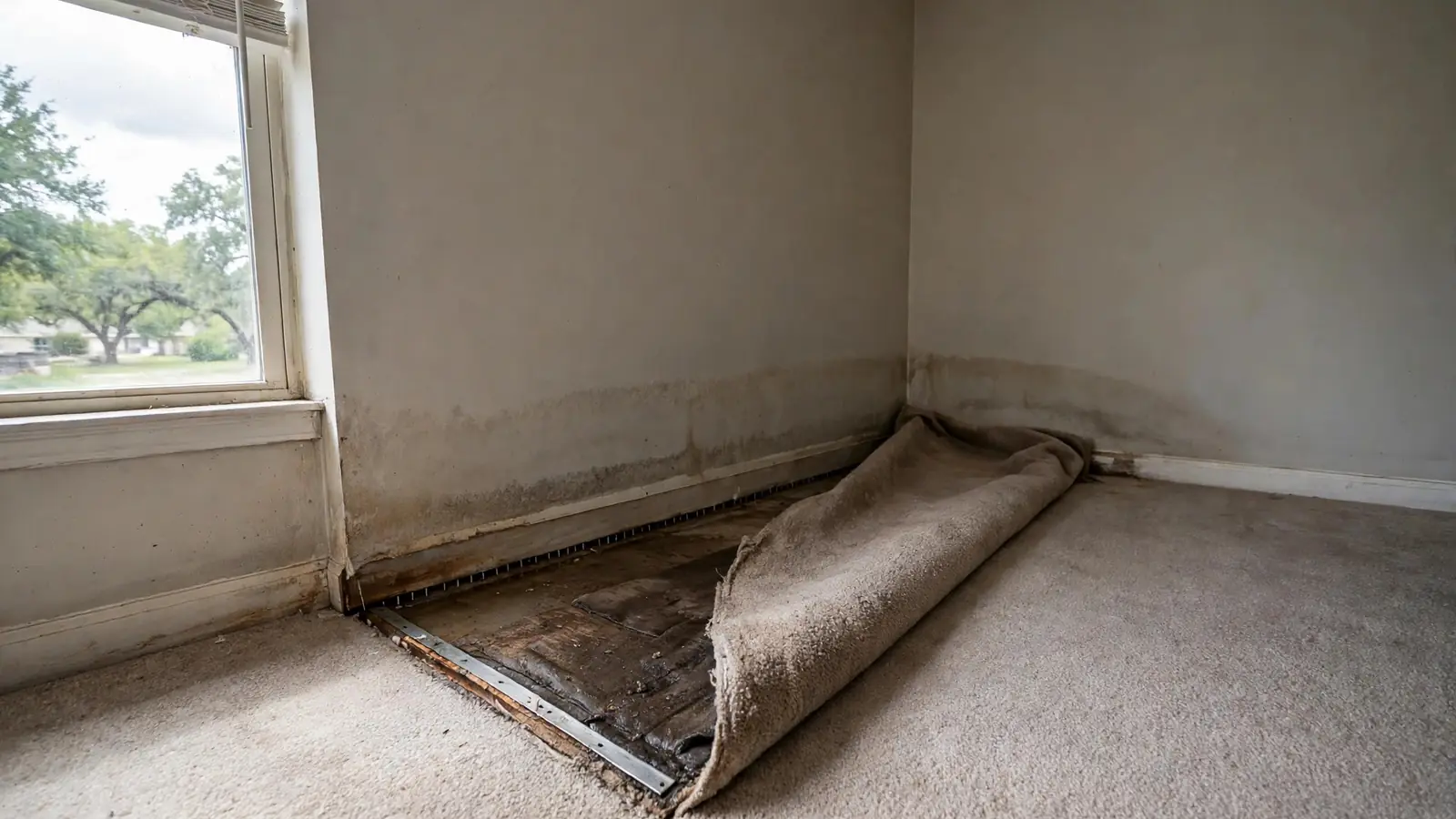
Firefighting Water Damage
Hose water soaks sheetrock, carpet pad, cabinets and crawlspaces. How Arlington homes are dried out after the fire is out.
Explore service
Before anyone goes back inside
A fire-damaged house can hide weakened floors and ceilings, damaged wiring and smoke residue that is hard on the lungs. Wait for the Arlington Fire Department to say the building may be entered.
- Wait until the fire department releases the house
- Keep away from sagging ceilings
- Leave the heat and AC off
- Wear a fitted N95 and gloves if you must go in
- Discard any food that heat or smoke reached
How it works
The order restoration follows, and why it matters
Restoration has a sequence, and skipping ahead usually makes things worse. Openings are closed first, because North Texas weather can turn a fire claim into a fire-and-storm claim within days. Water comes out next, since wet sheetrock and pad cannot be cleaned properly and can grow mould in a warm, closed house.
Cleaning starts once materials are dry, working from ceilings down and from dry methods to wet. Odor work follows the cleaning rather than replacing it. Sealing, painting and rebuilding come last.
If someone suggests painting over soot, or running the air conditioning before the ducts have been looked at, they are skipping steps. Knowing the order helps you judge advice.
- 1. Close up the house
- 2. Get the water out
- 3. Clean soot and smoke
- 4. Remove odor at the source
- 5. Seal and rebuild
The Arlington factor
What North Texas changes about fire damage
Arlington homes share some traits that shape every fire job. Long brick ranch houses have one attic over the whole floor plan, so smoke can reach the far bedrooms through the ceiling. Newer two-storey homes send smoke up open staircases to upstairs bedrooms and game rooms, while water from an upstairs fire comes down through the ceiling below.
The weather matters too. Spring brings hail and severe storms that punish an open roof. Summer attic heat drives smoke odor out of insulation into the house in the afternoons. Humidity slows drying.
- Attics carry smoke across ranch homes
- Stairwells carry smoke upstairs
- Hail season and open roofs
- Hot attics release odor
Before and after
What careful cleaning can bring back
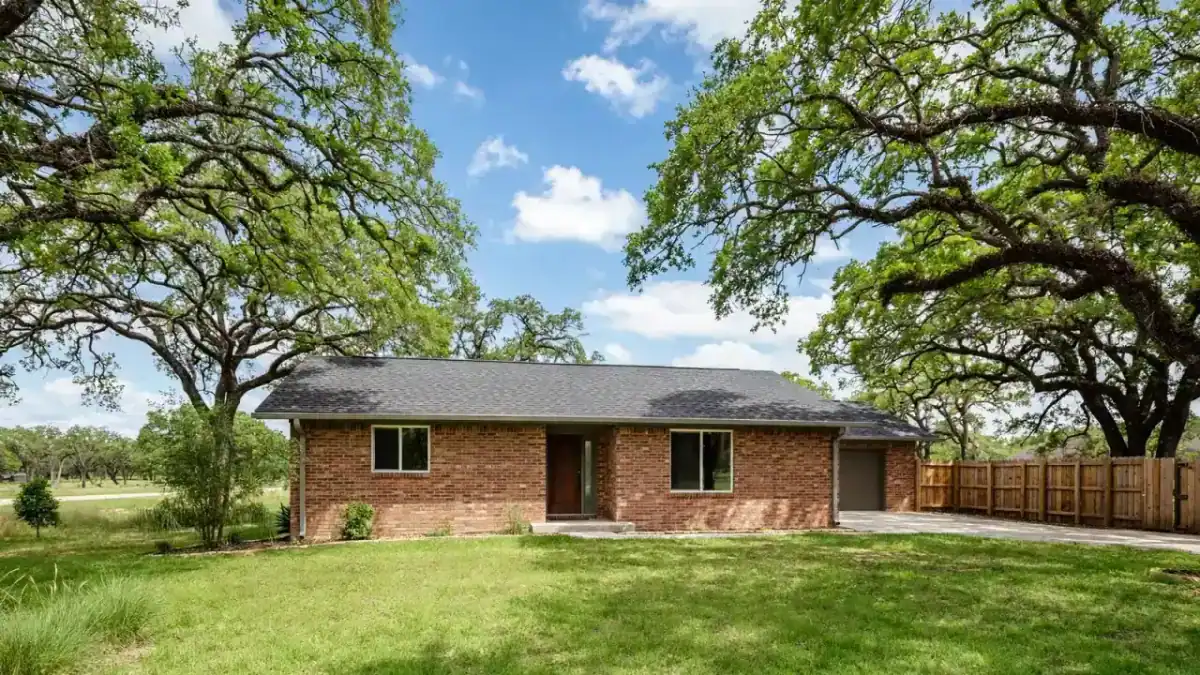
Many rooms that look ruined can be cleaned, sealed and repainted rather than rebuilt.
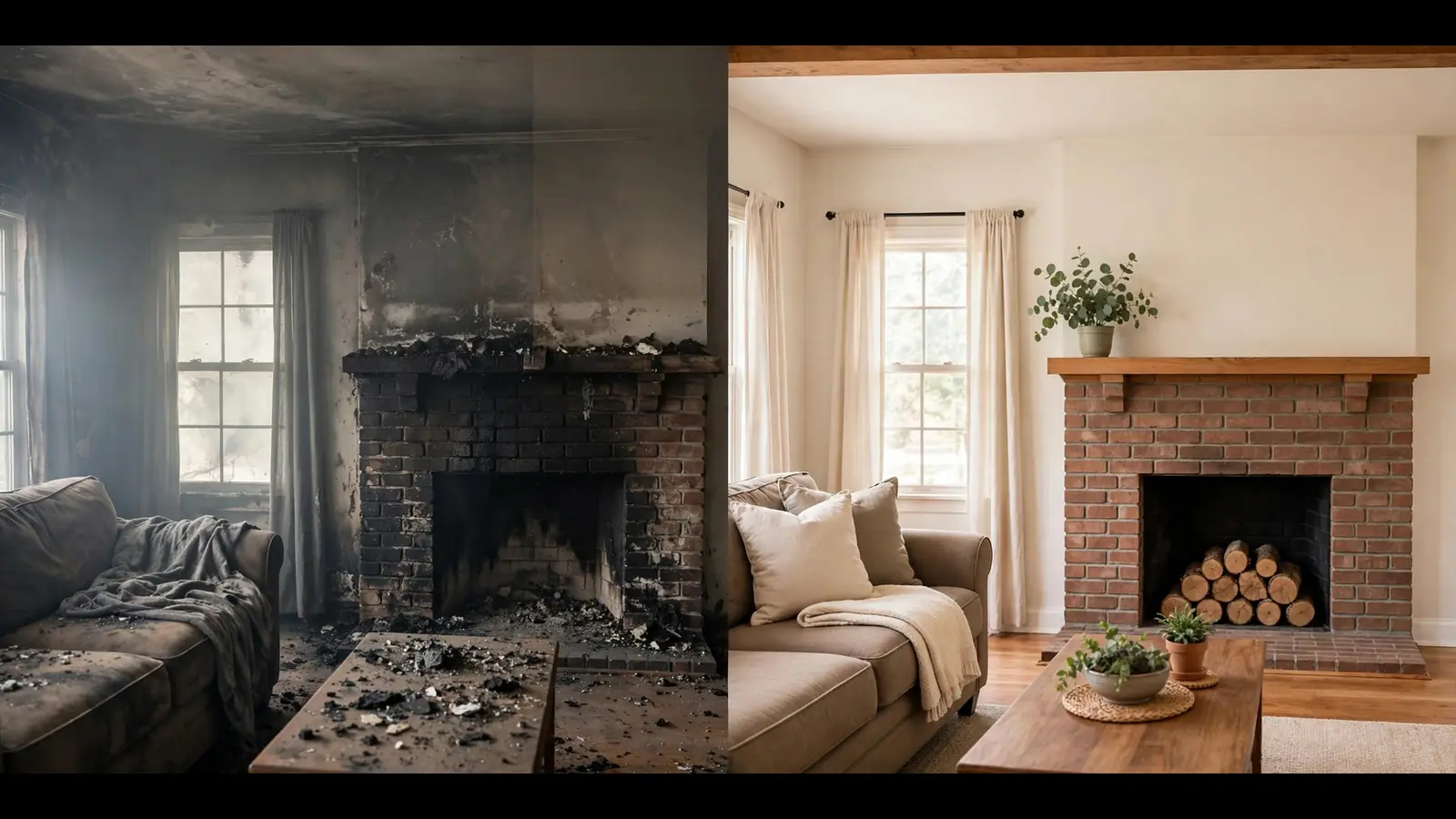 BeforeAfter
How the line works
What happens after you call
- 1
You call
Your call is put through to an independent restoration contractor serving Arlington.
- 2
You describe what happened
Where the fire started, what you can see, and whether the fire department has released the house.
- 3
You decide together on that call
Any visit, board-up or next step is agreed between you and the contractor during the conversation.
- 4
The contractor assesses
If a visit is arranged, they inspect rooms, attic and HVAC and document the damage.
- 5
Restoration proceeds in order
Securing, drying, cleaning, odor control and repairs follow the sequence explained here.
Arlington neighborhoods
Fire restoration across Arlington's neighborhoods
From downtown bungalows to [Viridian](/areas/viridian/)'s new two-storey homes, here is what changes from one part of the city to the next.
 Service area
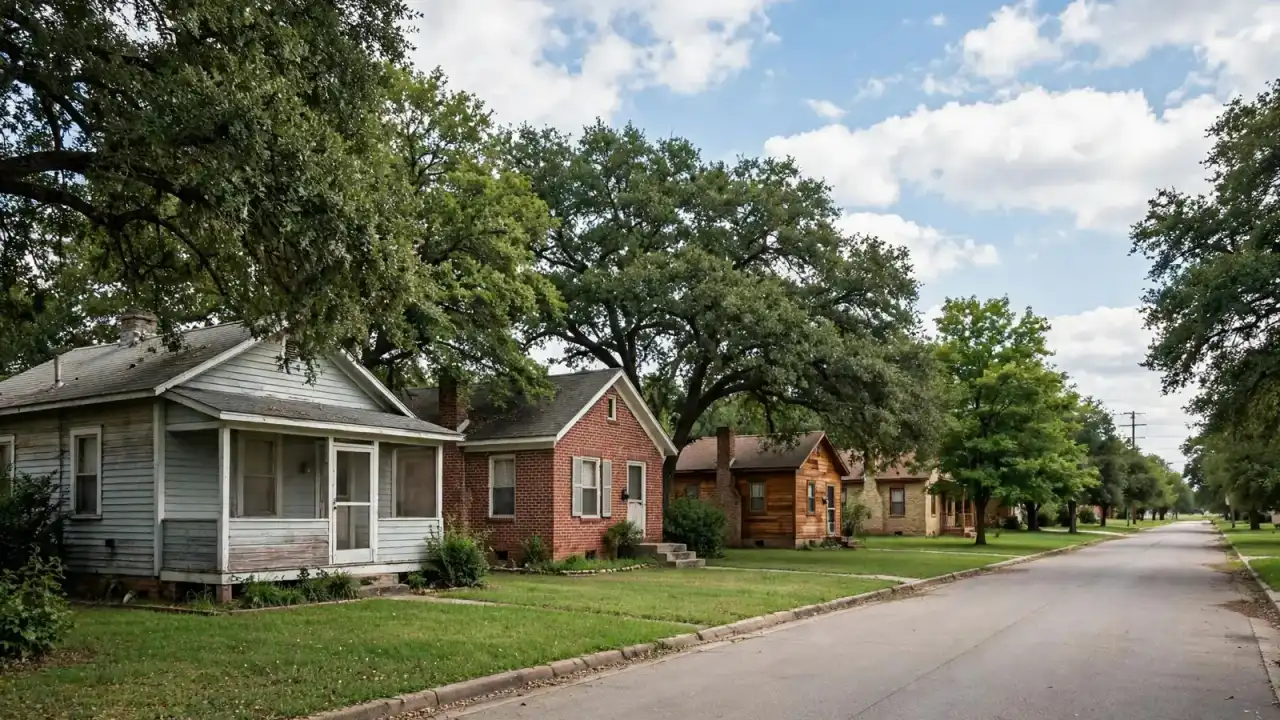
Downtown Arlington
Older bungalows, pier-and-beam floors, wood siding and many rentals around the revitalized downtown core. Restoration needs care with older materials and crawlspaces.
Learn more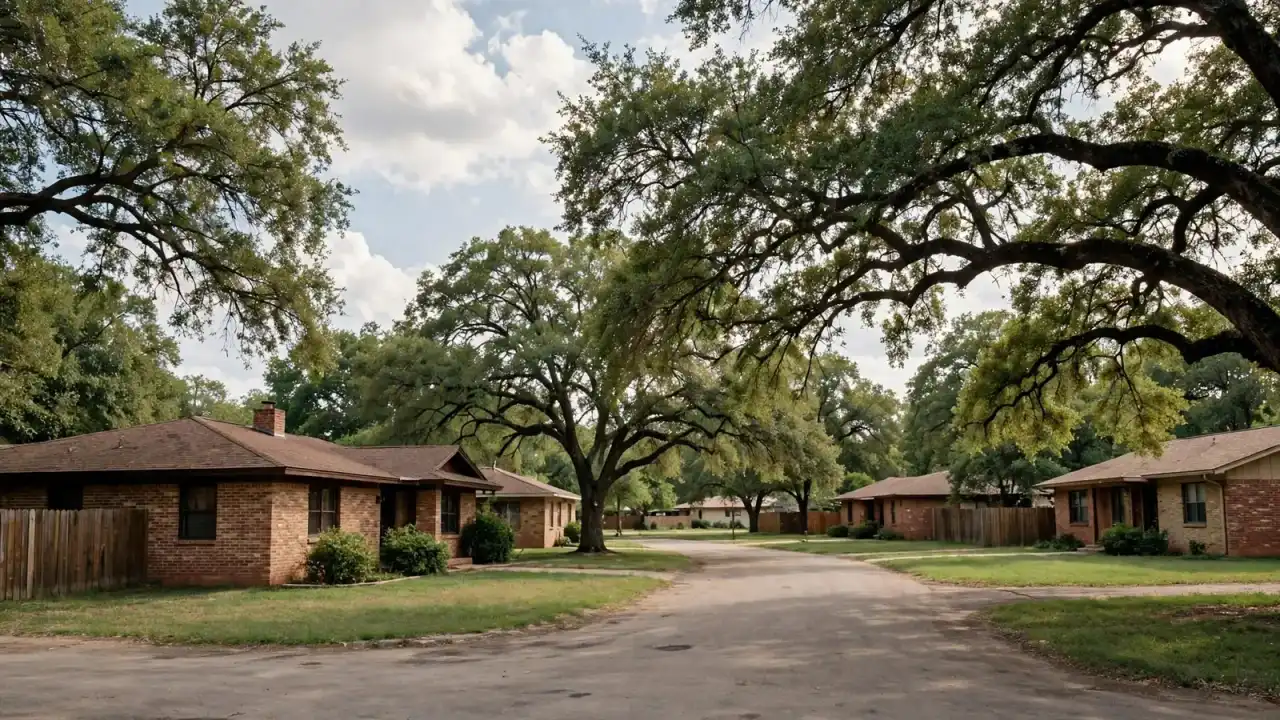 Service area
North Arlington
1960s to 1980s brick ranch homes with big oaks near River Legacy Park and the Entertainment District. Older wiring, long attics and attached garages.
Learn more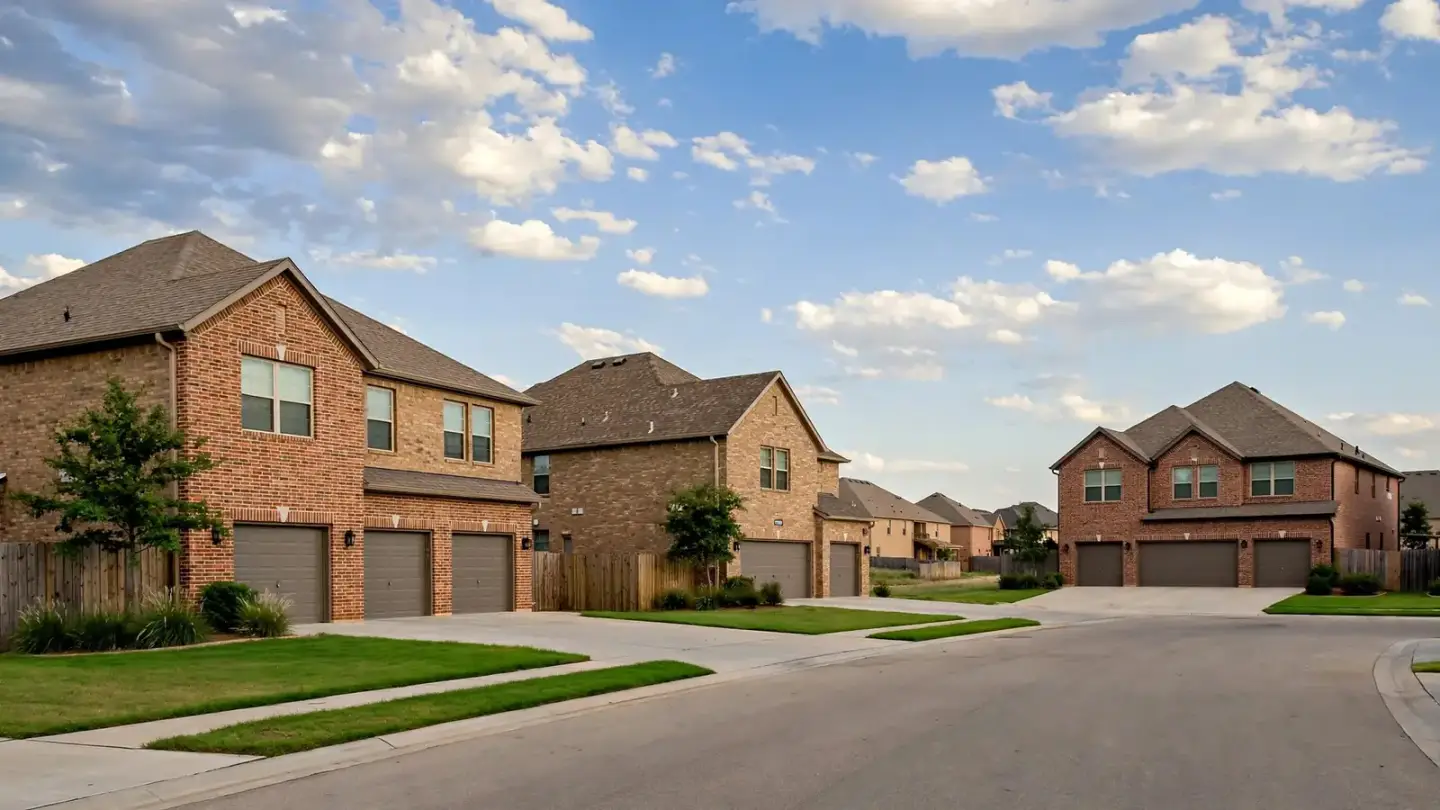 Service area
South Arlington
Large 1990s to 2010s two-storey brick homes toward the Mansfield line, with three-car garages and HOAs. Modern finishes and smoke that climbs.
Learn more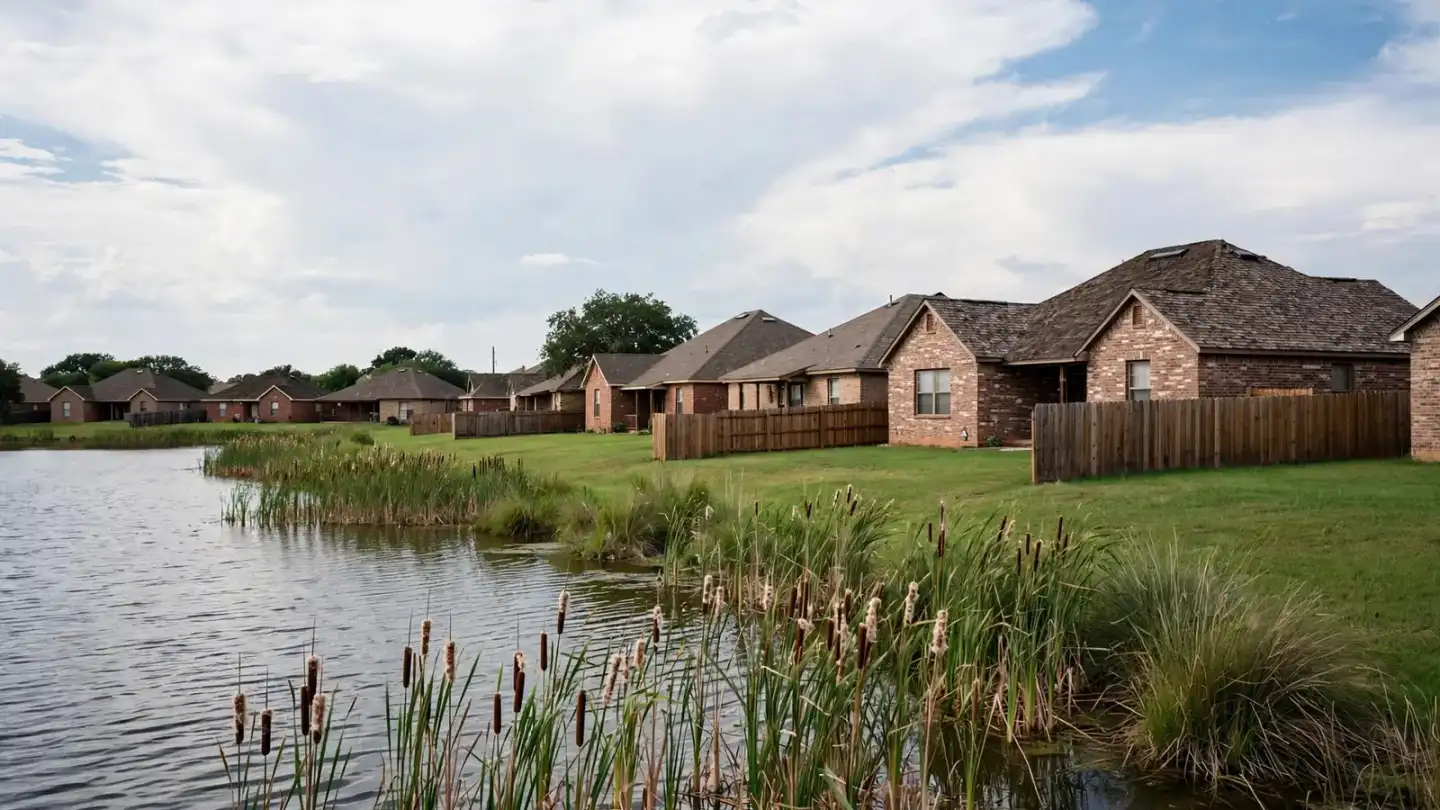 Service area
Southeast Arlington
A mix of 1970s to 2000s houses, townhomes and apartments near Highway 360 and Interstate 20. Shared walls, slab foundations and storm exposure shape restoration.
Learn more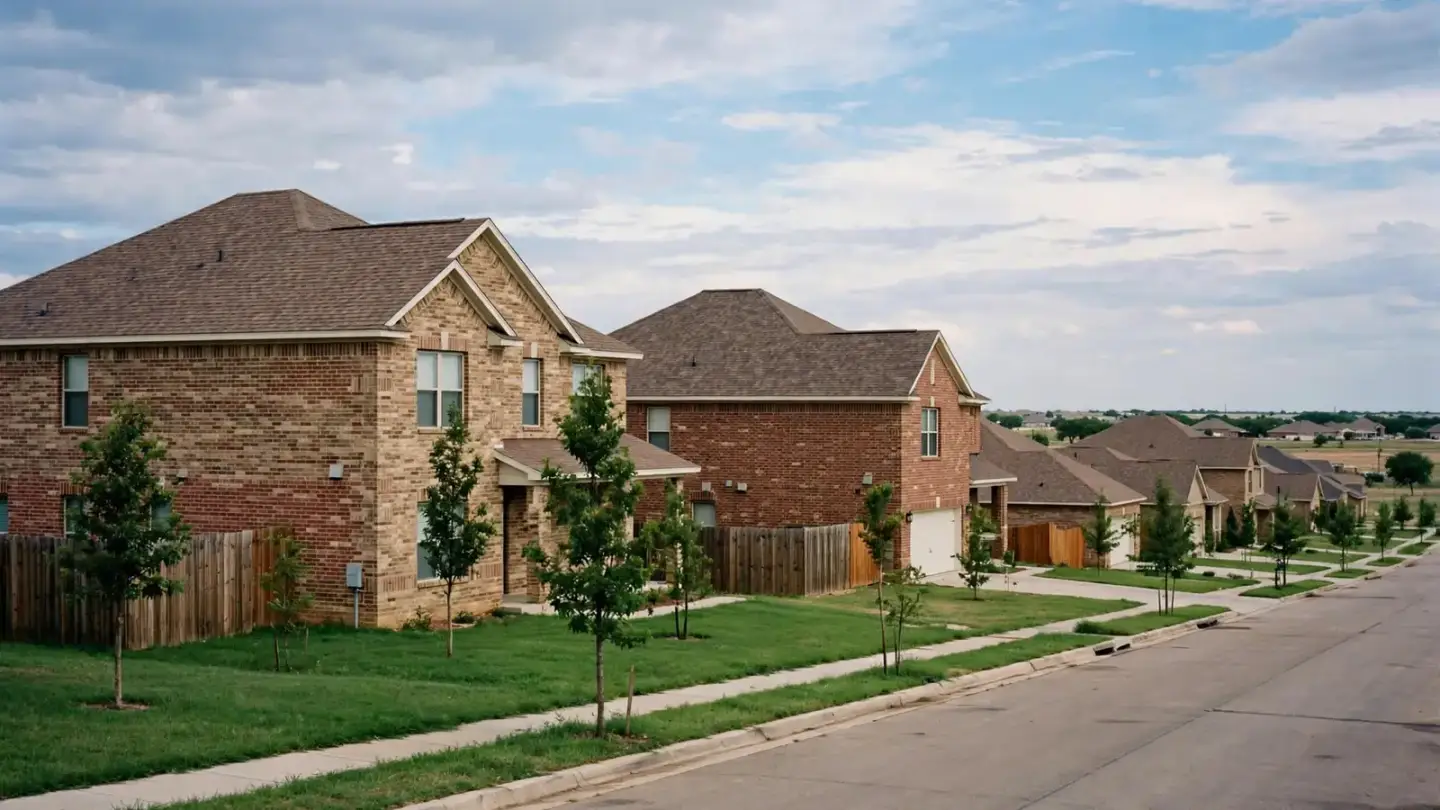 Service area
Southwest Arlington
1980s and 1990s brick suburbs around creeks and greenbelts toward Lake Arlington. Two-storey homes, wood fences and composition roofs.
Learn more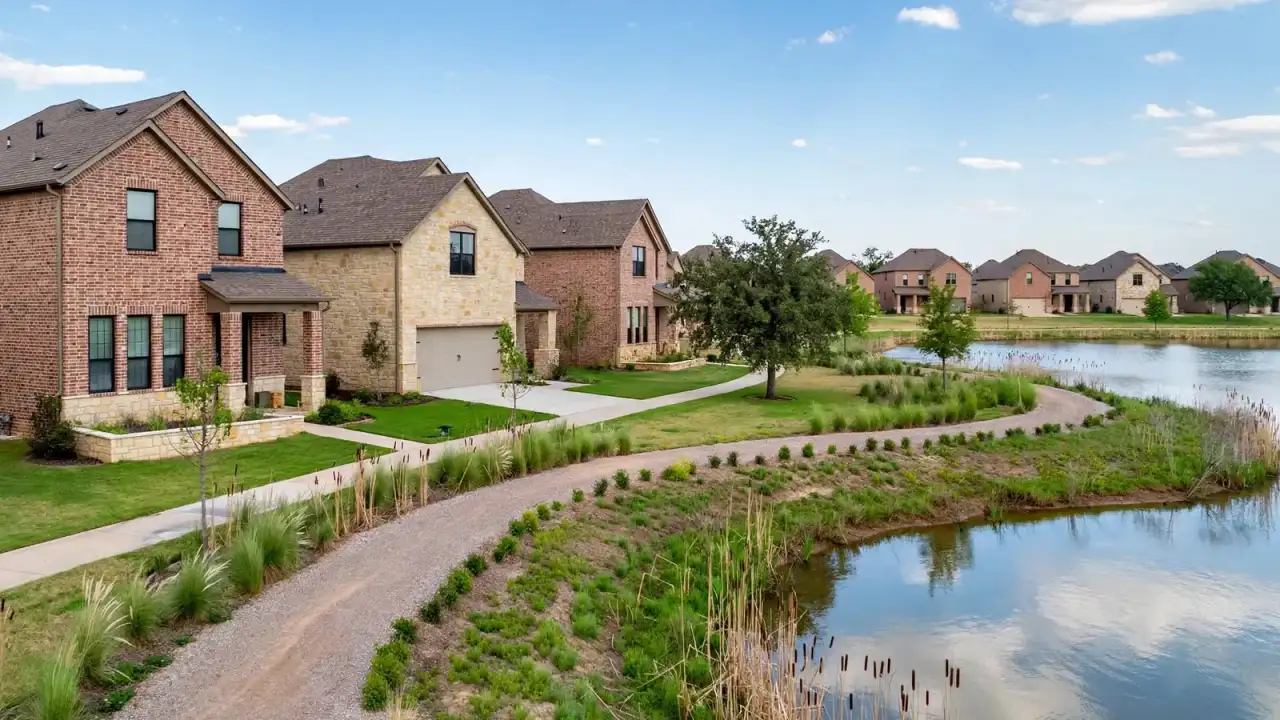 Service area
Viridian
New two-storey homes, lakes and trails along the Trinity River in far north Arlington. What fire restoration looks like in a young master-planned community.
Learn more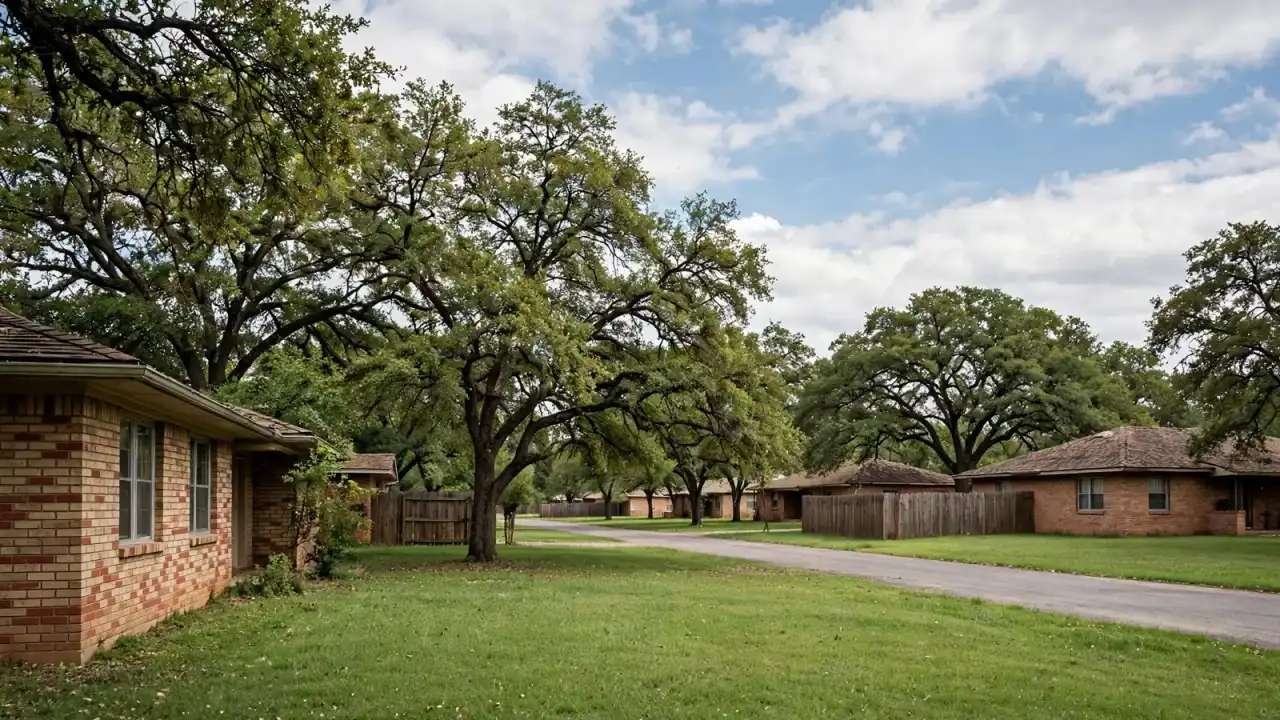 Service area
West Arlington
Established 1960s and 1970s brick homes with mature oaks and wide lawns. Older roofs, fireplaces, pools and big trees shape restoration here.
Learn more
Clean or replace
Which materials usually survive a fire
| Material | Usually | Depends on |
|---|---|---|
| Painted sheetrock with light film | Cleaned, primed, repainted | Depth of staining and odor |
| Blistered or charred sheetrock | Replaced | Heat damage |
| Attic insulation that took smoke | Replaced | Amount of smoke and odor |
| Brick fireplace walls | Cleaned and sealed | Depth of soot in pores |
| Particleboard cabinet boxes | Replaced if wet | Water exposure |
| Glass, tile and metal | Cleaned | Etching from residue |
| Clothes and linens | Professionally cleaned | Scorching or melting |
| Food and medicine | Discarded | Any heat or smoke exposure |
About this site
How this Arlington referral line works
Fire Damage Restoration Arlington is a call-in referral line. Calling the number on this site puts you through to an independent restoration contractor who serves Arlington, and you talk with them directly on that call. This site does not employ technicians, send crews or perform restoration.
There are no forms here, we do not collect your contact details, and nobody from this site will call, text or email you later. Whatever you arrange is between you and the contractor during your call. Texas does not issue a general state licence for restoration contractors, so ask the contractor about insurance, methods and who handles licensed trades such as electrical work. Our guide to choosing a contractor lists useful questions.
For a step-by-step overview, read about our fire restoration services, and for short answers, see the Arlington fire damage FAQ. Information on this site is general and draws on public sources such as the EPA, the American Red Cross, the National Weather Service, the NFPA and the Texas Department of Insurance, listed on each page. [4]
Guides
Guides for the days after a fire
Practical help with garage fires, grease fires, smoke from next door, [electronics](/guides/fire-damaged-electronics-and-appliances/) and choosing a contractor.
 Guide
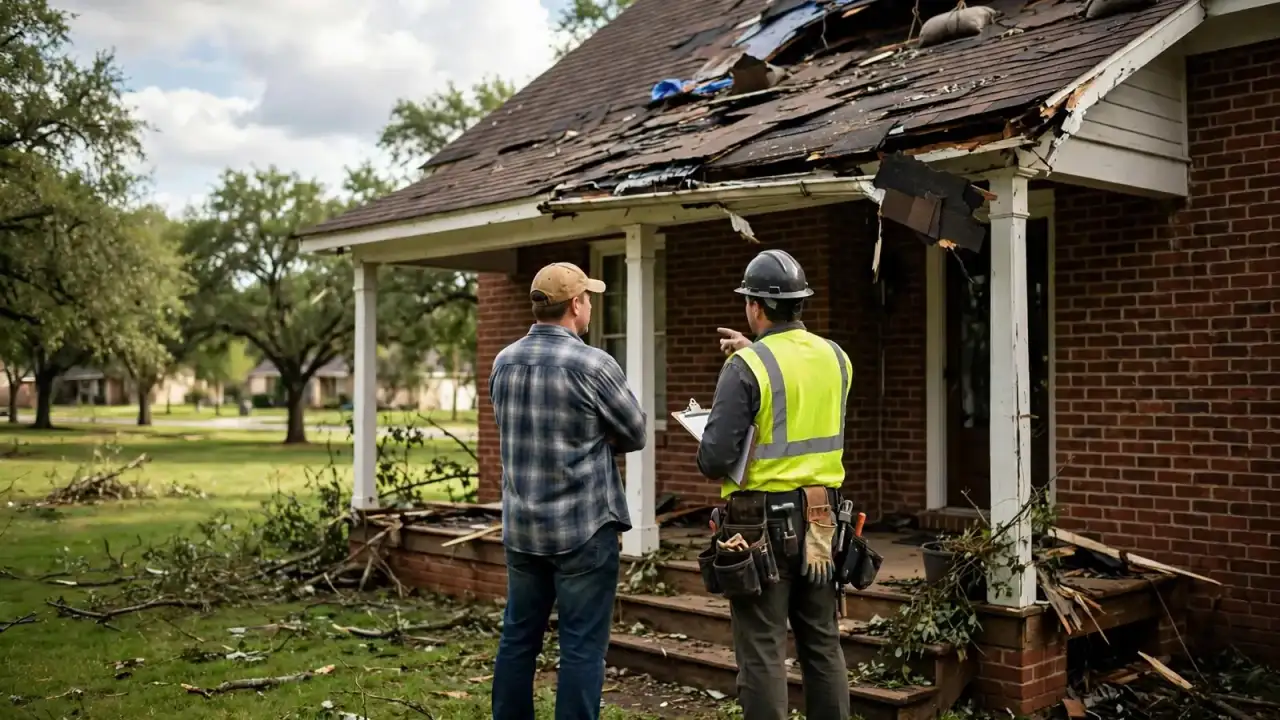
Choosing a restoration contractor
Texas has no general state licence for restoration contractors, so knowing what to ask matters. A practical checklist.
Read the guide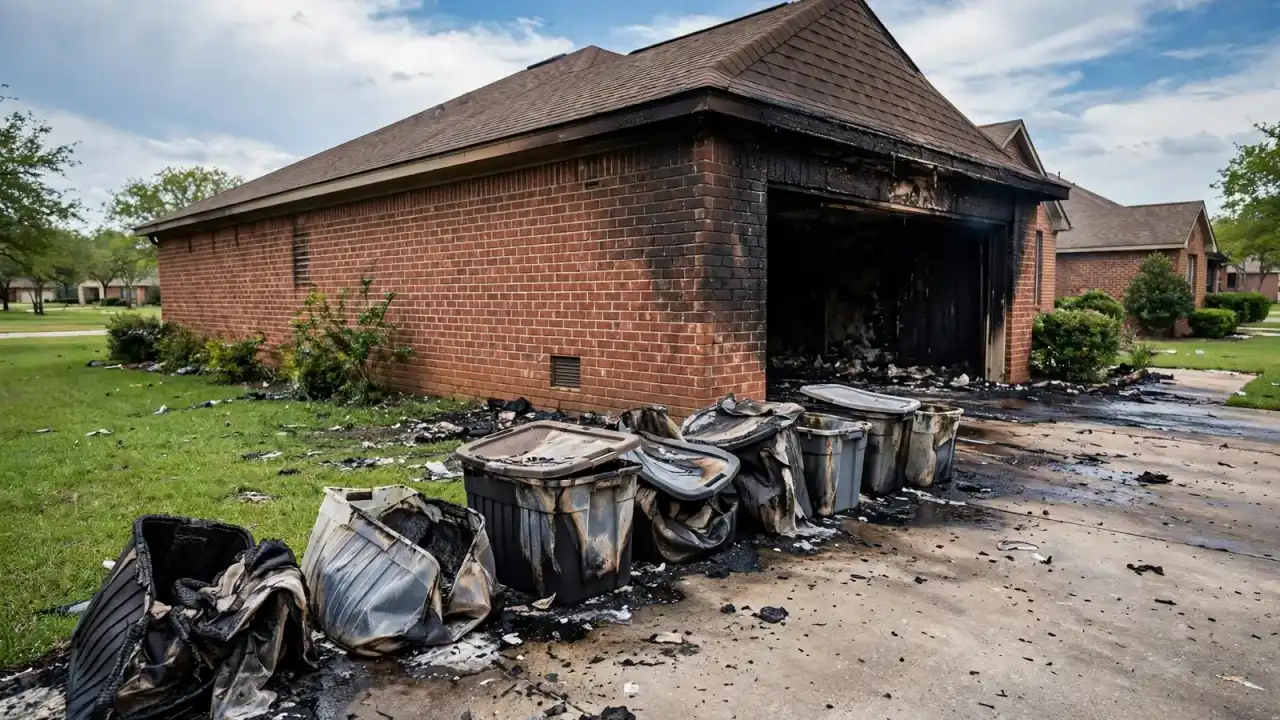 Guide
Garage fire cleanup
Garage fires burn hot and dirty and send smoke straight into the house. What to do first and what to leave alone.
Read the guide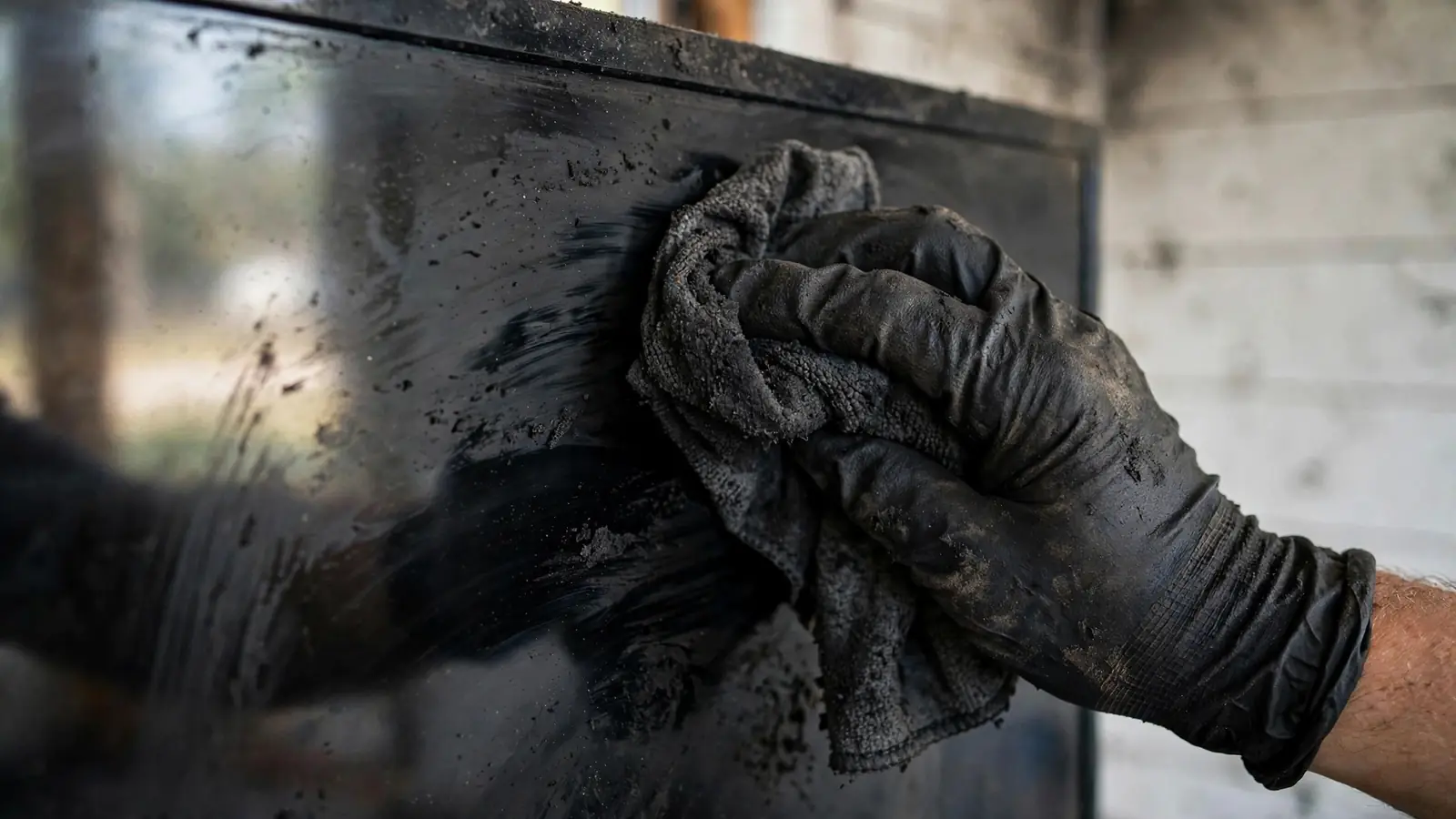 Guide
Fire-damaged electronics
Smoke and soot are hard on electronics and appliances. What to do with TVs, computers, routers and kitchen appliances after a fire.
Read the guide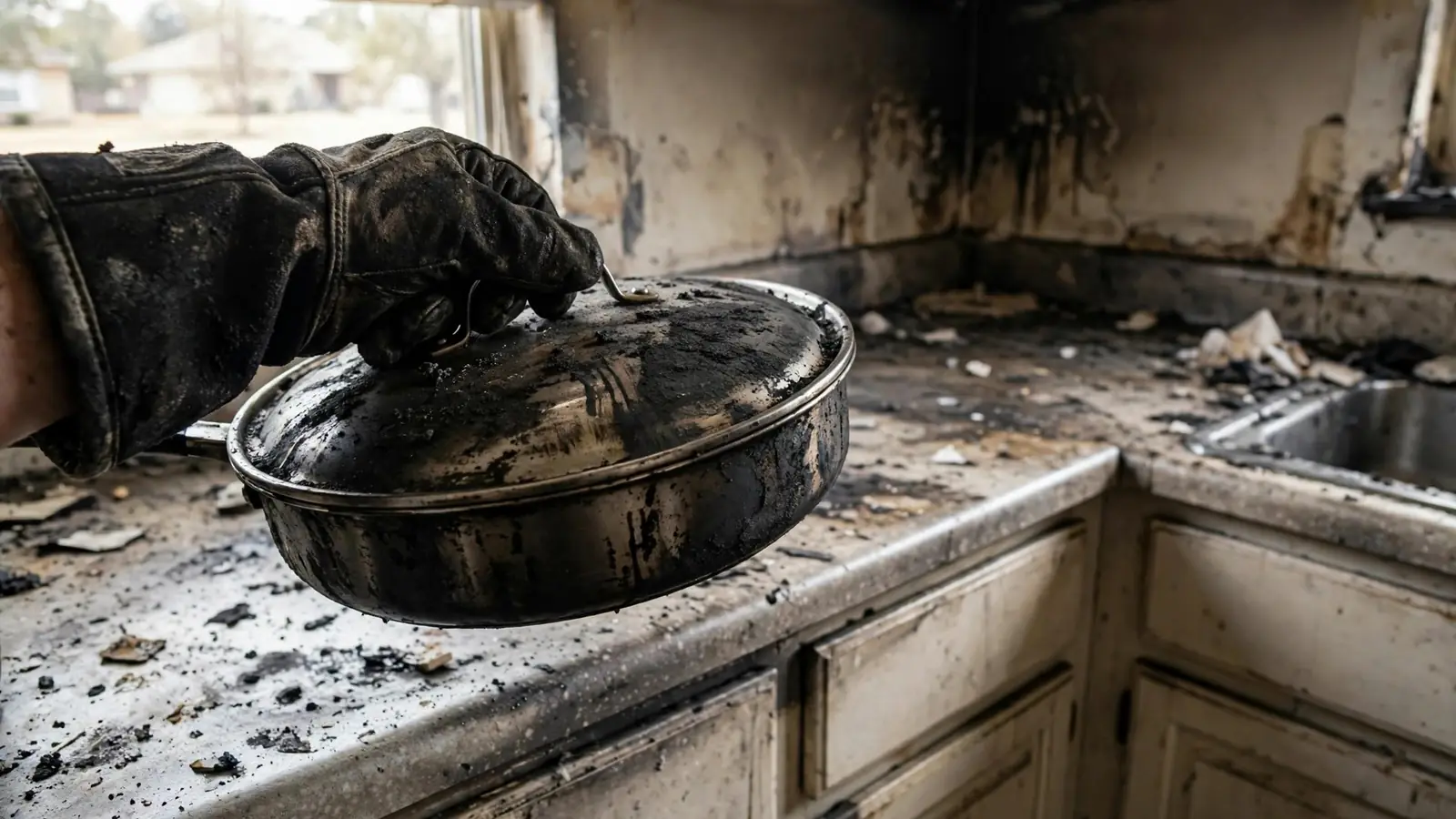 Guide
Kitchen grease fire cleanup
Grease fires leave a sticky film and a sour smell all over the house. How to clean up safely and when to call for help.
Read the guide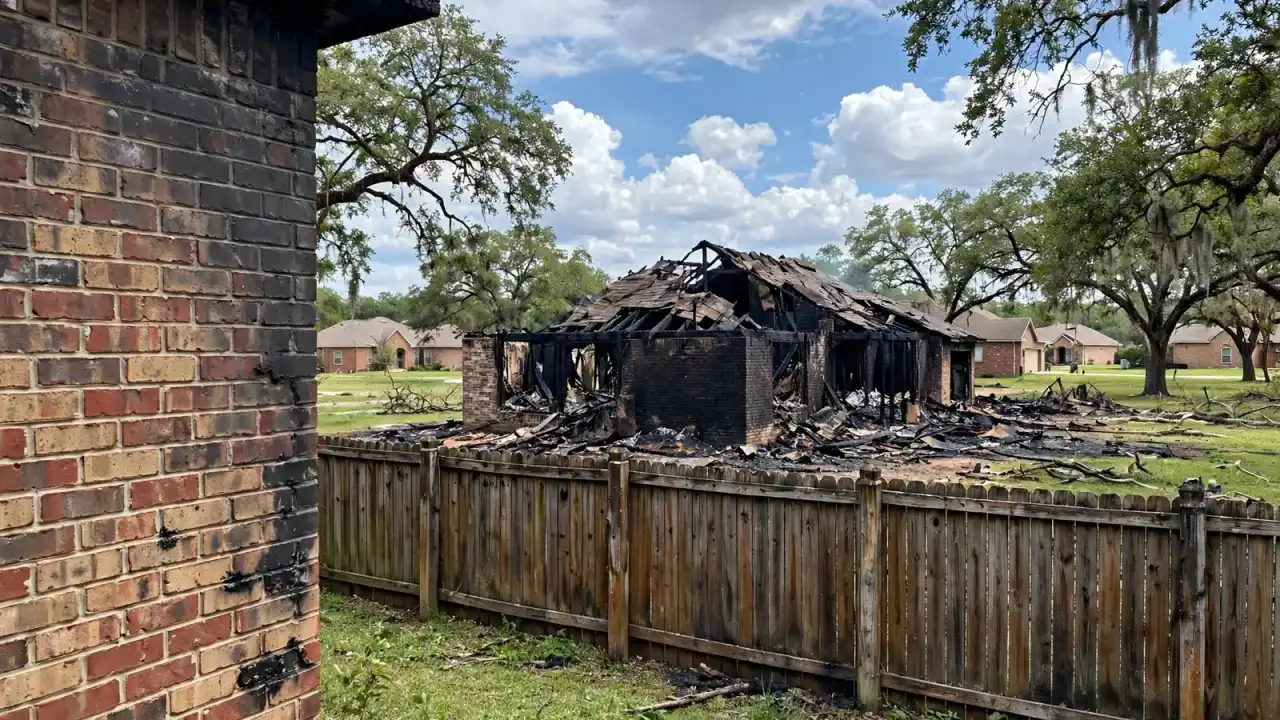 Guide
Smoke from a neighbor's fire
Your house did not burn, but smoke from next door got in. How to check for damage and what to do about it.
Read the guide
FAQ
Common Arlington fire damage questions
Still have a question?
Send us the details and we'll point you the right way.
Call NowNumber coming soonWhat should I do first after a house fire in Arlington?
Make sure everyone is safe, wait for the fire department's all-clear, call your insurer, and get the house closed up against weather and intruders.
Who will I talk to when I call?
An independent restoration contractor serving Arlington. You speak with them on that call; this site does not do the work.
Will anyone from this site contact me later?
No. There are no forms and no follow-up calls, texts or emails. Arrangements are made with the contractor during your call.
Can smoke damage be cleaned, or does everything go?
Much can be cleaned. Charred, melted and heavily soaked porous materials are more often replaced, decided after testing.
Why does my house still smell of smoke?
Odor hides in insulation, carpet pad, cabinets and ducts, and attic heat releases it. Those sources must be cleaned, removed or sealed.
Do I really need to dry the house?
Yes. Water inside walls, under flooring and in floor cavities does not dry on its own quickly, and mould can follow.
Should I run the AC after the fire?
Not until the system has been checked. A contaminated system spreads soot and odor.
Does Texas homeowners insurance cover fire restoration?
Many policies cover fire, smoke and firefighting water damage, but policies differ. Read yours and talk with your adjuster.
Arlington fire damage
Talk to a restoration contractor now
Call and you are put through to an independent restoration contractor serving Arlington. Explain what happened and what your home needs on that call.
Sources and citations
Keep reading