
Key facts: Southwest Arlington
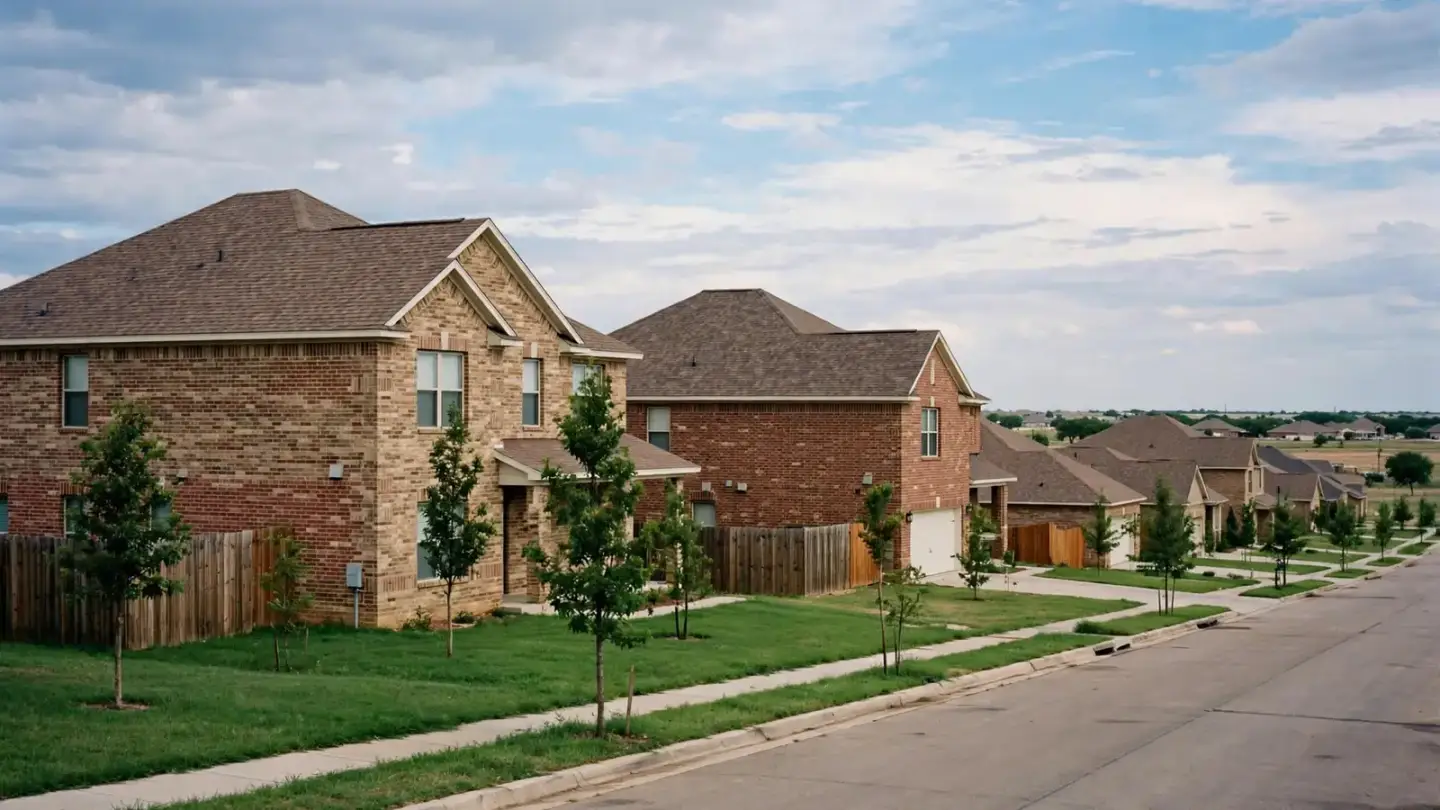
- Southwest Arlington developed largely in the 1980s and 1990s, with many brick single-family homes along creeks and greenbelts.
- Two-storey layouts are common, so smoke rises to upper floors and water from upstairs fires reaches ceilings below.
- Wood privacy fences and greenbelt vegetation can carry fire between properties in dry, windy weather.
- Hail is common in the Dallas-Fort Worth area, and many roofs here have been replaced after storms.
- The covered ZIP codes for Southwest Arlington on this site are 76016 and 76017.
Covered area
Southwest Arlington ZIP codes covered by this line
Calls from these Southwest Arlington ZIP codes can be connected to an independent restoration contractor serving the area.
- 76016Southwest Arlington neighborhoods toward Lake Arlington and the western city limits.
- 76017South-central and southwest neighborhoods along the Interstate 20 corridor and creek greenbelts.
About Southwest Arlington
Brick suburbs along the creeks
As Arlington's population boomed in the 1980s and 1990s, builders filled the southwest of the city with subdivisions of brick homes laid out along creeks, greenbelts and parks. Lake Arlington, a reservoir on Village Creek, sits at the western edge of this part of the city. Neighborhood streets wind around wooded drainage corridors, and many back yards face a creek or greenbelt behind a wood fence.
The typical house is brick veneer on a slab, often two storeys, with a two-car attached garage, a family room with a fireplace and a vaulted or two-storey ceiling, and bedrooms upstairs. Composition shingle roofs are standard, and many have been replaced at least once after hail. Most homes have central air with an air handler in the attic.
These neighborhoods have matured: trees planted when the homes were new now shade roofs, original builder finishes have been updated in many houses, and original water heaters, HVAC units and wiring have been replaced in some homes and not in others.
Construction
Southwest Arlington construction details
Two-storey family rooms
Tall ceilings and open stairs carry smoke to upstairs bedrooms.
Wood privacy fences
Fences connect yards and can carry fire between properties.
Greenbelts behind homes
Brush and trees along creeks can burn in dry spells.
Replaced roofs
Second or third roofs, some with impact-resistant shingles after hail.
Attic air handlers
Ducts and equipment in hot attics hold smoke odor.
Original builder cabinets
Many homes still have 1980s-90s oak or painted cabinets with particleboard boxes.
Smoke and water paths
Smoke and water in a two-storey Southwest Arlington home
A fire on the ground floor of a two-storey home sends smoke up the stairs and through any open loft or overlook into upstairs bedrooms. The tall family room ceiling collects residue on fans, light fixtures and the tops of windows. If the HVAC was running, smoke may have spread through both floors' ducts.
A fire upstairs sends firefighting water down. It soaks carpet and pad, runs into the floor cavity and onto the ceiling below, where sheetrock can sag and recessed lights can fill with water. Drying usually means opening sections of the ceiling below.
Garage fires push smoke through the door into the kitchen or utility room and up through the garage ceiling into any bedroom or game room above.
Assessment
What a contractor should check in a Southwest Arlington home
- 1
Both floors
Upstairs bedrooms for smoke; downstairs ceilings for water.
- 2
High areas (Southwest Arlington)
Fans, fixtures and ledges in two-storey rooms.
- 3
Attic and ducts
Insulation, the air handler and duct runs.
- 4
Roof (Southwest Arlington)
Shingle condition, past repairs and any openings.
- 5
Fences and back yard
Scorched fencing and any greenbelt brush that burned.
- 6
Garage connections (Southwest Arlington)
Door, shared wall and room above.
What you might see
Southwest Arlington fire damage clues
| What you notice | Likely reason | What to ask |
|---|---|---|
| Smoke film upstairs | Smoke rose through the stairwell | Will upstairs be cleaned as a priority? |
| Stained ceiling below a bedroom | Water from an upstairs fire | Will the ceiling be opened to dry? |
| Charred fence pickets | Fire spread along the fence line | Is the house siding affected? |
| Odor on hot afternoons | Smoke in attic insulation | Will the attic be cleaned and sealed? |
| Swollen cabinet bases | Water reached particleboard | Can the cabinets be dried or must boxes be replaced? |
| Ash from the greenbelt | Brush fire behind the house | Should filters and ducts be checked? |
Outdoor fire spread
Fences and greenbelts
Wood privacy fences run continuously between many Southwest Arlington back yards. In dry, windy weather, a fire that reaches a fence can travel along it from yard to yard and up to the wall of a house. Greenbelts along creeks hold brush and fallen wood that can burn during dry spells, sending smoke and embers toward homes that back onto them.
After a fire involving a fence or greenbelt, check the house wall facing it for heat damage, soffit vents for smoke entry and the attic for odor. Replacing burned fence sections may require coordination with neighbors who share the fence.
Restoration
How restoration usually runs in Southwest Arlington
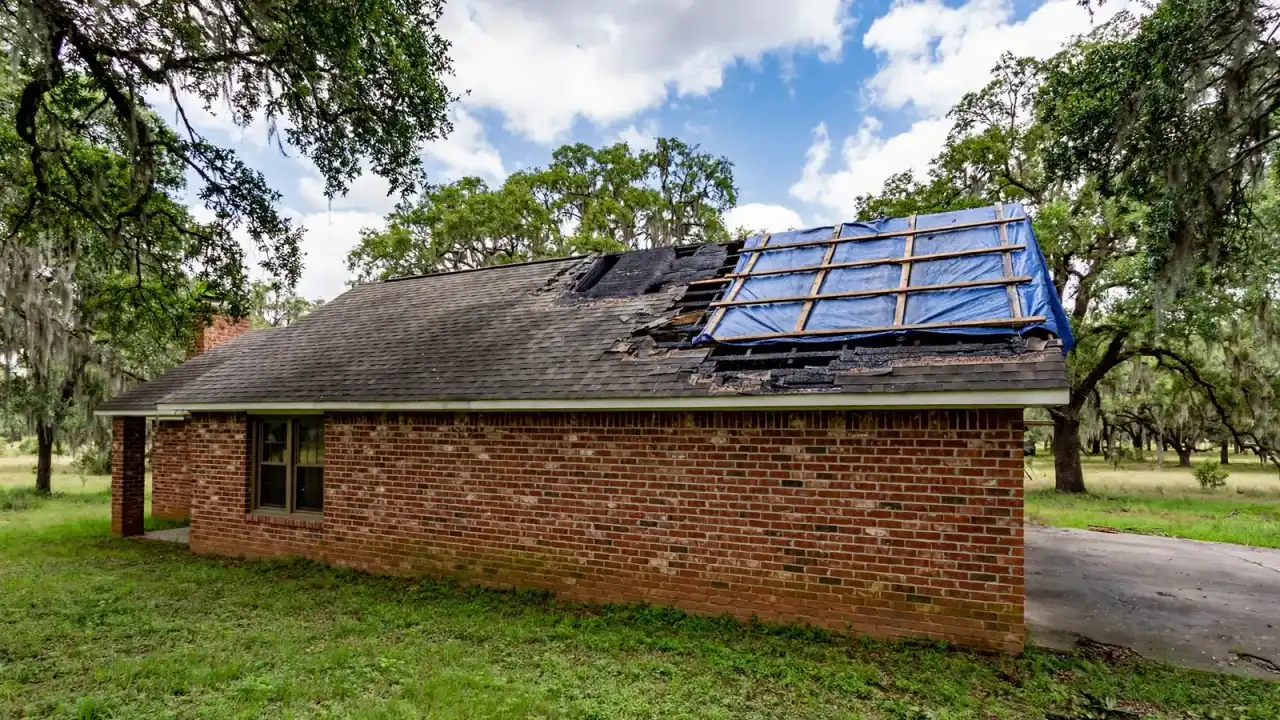
Securing the home typically involves boarding windows in brick walls and tarping composition roofs. Two-storey homes may need tall ladders or lifts to board upper windows. Drying addresses upstairs carpet, floor cavities and downstairs ceilings, and cabinet boxes in kitchens and baths.
Cleaning covers upstairs rooms, high areas and the attic. Original builder cabinets with particleboard boxes may need replacing if they got wet, even if the faces clean. Odor work focuses on the attic, the air handler and the ducts. Repairs need City of Arlington permits for regulated work. [4]
Roofs
Hail-replaced roofs and fire repairs
Many Southwest Arlington roofs have been replaced after hailstorms, some with impact-resistant shingles. When fire damages part of a newer roof, matching shingles is usually easier than on an old roof, but color and style still need checking.
Tarping follows the usual approach: tarp over the opening and ridge, fastened with battens to sound decking. After repairs, keep records of the shingle type in case of future hail claims.
- Note your shingle type
- Tarp to sound decking
- Check after every storm
- Keep repair records
Climate
Heat and storms in Southwest Arlington
Summer attic heat releases smoke odor from insulation into upstairs bedrooms first in two-storey homes, since they sit directly under the attic. Spring brings hail and wind that can damage tarps and unboarded windows. Humidity slows drying, so contractors usually rely on dehumidifiers in a closed house.
Prevention
Reducing fire risk in a Southwest Arlington home
- Clean dryer vents (Southwest Arlington)Two-storey homes often have long vent runs that collect lint.
- Keep grills away from fencesWood fences ignite easily in dry weather.
- Test alarms on both floors (Southwest Arlington)Alarms should be in every bedroom and on every level.
- Service attic equipmentHave the air handler and water heater checked regularly.
- Trim branches over the roofReduces storm damage and fire spread.
Kitchens and baths
Original builder finishes
Many homes from the 1980s and 1990s still have original builder kitchens and baths: oak or painted cabinet faces over particleboard boxes, laminate or tile counters, and sheet vinyl or tile floors. These finishes respond differently to smoke and water than newer materials. Faces may clean well; boxes that got wet usually swell. Laminate counters clean; tile grout may need regrouting or sealing.
If the kitchen needs significant work after a fire, some owners choose to upgrade rather than replace like-for-like. Ask your adjuster how upgrades are handled; usually the policy pays for like-kind replacement and the owner covers any upgrade beyond that.
Common fires
Kitchen and garage fires
Cooking fires are the most common household fires, and in an open kitchen and family room they spread smoke widely and up into the two-storey ceiling. Garage fires, often from electrical faults, stored fuel or appliances, push heavy smoke into the house and the room above the garage.
Week one
A typical first week after a Southwest Arlington fire
- 1
Day 1 in Southwest Arlington
Fire department release, insurer notified, windows and roof secured, photos taken.
- 2
Days 1-2 in Southwest Arlington
Water extracted; ceilings below upstairs fire opened; drying started.
- 3
Days 2-3 in Southwest Arlington
Contents on both floors sorted and packed out.
- 4
Days 3-5 in Southwest Arlington
Drying monitored; attic, ducts and fence line assessed.
- 5
End of the first Southwest Arlington week
Cleaning, odor and repair scope agreed.
On your call
Questions Southwest Arlington owners find useful on the call
- How will you clean the upstairs?Ask whether upstairs rooms will be treated as a priority.
- Will you open the ceiling below to dry it?Important after an upstairs fire.
- Can my original cabinets be saved?Ask about faces versus boxes.
- How will you tarp my roof?Ask about decking condition and storms.
- Will you check my fence and greenbelt side?Ask about the wall facing any outdoor fire.
Services
Services Southwest Arlington homeowners ask about
Smoke on two floors
Cleaning upstairs rooms and high ceilings.
Read moreDrying ceilings and floors
After upstairs firefighting.
Read moreAttic odor (Southwest Arlington)
Treating smoke smell in hot attics.
Read moreSmoke from next door (Southwest Arlington)
When a neighbor's fire affects your home.
Read more
Lakeside neighborhoods
Near Lake Arlington and Village Creek
At the western edge of Southwest Arlington, Lake Arlington and the Village Creek corridor bring wooded shorelines and higher humidity. Homes near the water may have docks, boat storage or larger lots with outbuildings. Brush and wooded areas along the shoreline can burn during dry spells, and smoke from those fires drifts into nearby houses through vents and open windows.
Humidity near the lake slows drying after a fire. Contractors rely on dehumidifiers in a closed house, and moisture readings may take longer to reach the dry standard than in homes further from the water. Damp materials near the lake are also more prone to mould if drying is delayed.
Laundry
Upstairs laundry rooms and dryer fires
Many two-storey homes built in the 1990s put the laundry room upstairs near the bedrooms. Dryer fires, often caused by lint build-up in long vent runs, can start there and send smoke straight into sleeping areas. Water used to fight a laundry room fire upstairs flows into the floor below.
After a dryer fire, the dryer, its vent run to the outside, the wall and ceiling around it and the floor below all need assessment. Vents should be cleaned or replaced, and the electrical circuit or gas line serving the dryer should be checked before use.
Clean or replace
What usually happens to Southwest Arlington materials
| Material | Usual outcome | Note |
|---|---|---|
| Upstairs carpet and pad | Carpet cleaned or replaced; pad usually replaced | Depends on smoke and water exposure |
| Downstairs ceiling below a fire | Opened, dried and repaired | Wet insulation removed |
| Particleboard cabinet boxes | Replaced if wet | Faces may be reused |
| Wood fence sections | Replaced if charred | Coordinate shared fences |
| Attic insulation | Replaced if smoky | Upstairs rooms benefit most |
| Composition shingles near opening | Replaced | Match color and type |
Claims
Insurance for a two-storey home
Claims on two-storey homes often include damage on both floors from a single fire: smoke upstairs and water downstairs. Make sure the adjuster sees both. Photograph upstairs rooms even if they look only lightly affected, and downstairs ceilings below any upstairs fire area, before cleanup begins.
Keep receipts for temporary housing, meals and other added spending if the house cannot be lived in. Many policies include additional living expenses, though limits vary.
Fireplaces
Fireplaces in Southwest Arlington family rooms
Most homes from this era have a fireplace in the family room, often a prefabricated metal firebox with a brick or stone surround and a flue running up through a chimney chase framed in wood and clad in siding or brick. A fire that starts in or near the fireplace can spread into the chase, which is hidden inside the wall and roof structure.
After any fire involving a fireplace, the firebox, flue, chase and surrounding framing should be inspected before the fireplace is used again. Soot on the surround is cleaned with methods suited to brick or stone, and the mantel is cleaned or refinished.
Equipment
Older water heaters and HVAC in the attic
Many homes here have the water heater and HVAC air handler in the attic, a common North Texas arrangement. Ageing attic equipment, gas connections and electrical connections can be fire sources, and attic fires may smoulder in insulation before anyone notices. After any fire involving the attic, both the water heater and the HVAC equipment need inspection by qualified technicians before use, and the platform and surrounding framing should be checked for heat damage.
FAQ
Southwest Arlington fire restoration questions
Does this line cover Southwest Arlington?
Yes. Calls from ZIP codes 76016 and 76017 can be connected to an independent restoration contractor serving the area.
Why do my upstairs bedrooms smell more than downstairs?
Smoke rises through stairwells and two-storey rooms, and upstairs rooms sit right under the hot attic.
My fence burned. Is my house affected?
Check the wall facing the fence for heat damage and the attic for smoke. A contractor can assess both.
Can original particleboard cabinets be dried?
Faces often clean, but particleboard boxes that got wet usually swell and need replacing.
Will my hail-resistant shingles be matched?
Usually, if the roof is recent. Ask the contractor to confirm the product and color.
Is a greenbelt brush fire a risk to my home?
It can be in dry, windy weather. Smoke and embers can reach homes backing onto greenbelts.
Does humidity slow drying?
Yes. Contractors usually dry with dehumidifiers in a closed house.
Do I need permits to rebuild in Southwest Arlington?
Regulated repair work in Southwest Arlington generally needs City of Arlington permits.
Can upstairs carpet be saved after a downstairs fire?
Often, if it only took light smoke. Pad is usually replaced if odor soaked in.
Who fixes a fence shared with my neighbor?
Usually neighbors and their insurers sort it out. Document the damage and talk with your insurer.
Should I stay upstairs while downstairs is repaired?
Only if upstairs had little smoke, utilities are safe and the HVAC is clean. Otherwise stay elsewhere for the worst of the work.
Can a dryer fire upstairs damage the floor below?
Yes. Water used to put it out often soaks the floor system and the ceiling underneath.
Does living near Lake Arlington slow drying?
Higher humidity can lengthen drying time; contractors adjust equipment and monitor readings more closely.
Is my attic water heater safe after the fire?
Have it inspected by a plumber before use, especially if the attic took heat or smoke.
Can I use my fireplace after a house fire?
Not until the firebox, flue and chase have been inspected.
Do vaulted ceilings need scaffolding to clean?
Often. Tall family room ceilings and fans usually need scaffolding or tall ladders so crews can reach and clean them safely.
Can my stone fireplace surround be cleaned?
Usually. Natural and cultured stone are cleaned with masonry-safe methods, then sealed if needed.
Will my upstairs HVAC zone need separate cleaning?
If smoke reached it, yes. Each system and its ducts are checked and cleaned separately.
How do I keep pets safe during cleanup?
Keep them away from the house during cleaning and odor treatment, and wipe their paws if they walk through soot.
Should I replace smoke alarms upstairs?
Replace any exposed to heavy smoke, and test the rest.
Odor
Why upstairs bedrooms in Southwest Arlington smell first
In a two-storey home, the upstairs bedrooms sit directly under the attic, which in North Texas summers gets far hotter than the living space. If smoke reached the attic, odor released from insulation and decking drifts down through ceiling vents, light fixtures and the attic access into those bedrooms first. Owners often report that the master bedroom or children's rooms smell of smoke on summer afternoons while downstairs seems fine.
Addressing this means cleaning or replacing attic insulation near the smoke path, cleaning and sealing roof decking and framing, and sealing ceiling penetrations. Ducts serving the upstairs, often a separate zone, are cleaned or replaced.
Drainage
Creeks, drainage and water after a fire
Homes backing onto creeks and drainage greenbelts usually have yards that slope toward the water. That helps drain firefighting water away from the house, but heavy spring rain through a fire-damaged roof can still overwhelm gutters and send water toward the foundation. Keep downspouts clear and pointing away from the house during restoration, and avoid letting fire debris block drainage channels behind the fence.
Households
Pets and families during restoration
Southwest Arlington is full of families with children and pets. Smoke residue and cleaning work are hard on both. Children and pets should stay out of affected rooms, and many families stay with relatives or in temporary housing during cleaning and demolition. Birds and small animals are especially sensitive to smoke and fumes; keep them well away from the house during odor treatments.