
Key facts: Smoke from a neighbor's fire
- Smoke from a nearby fire can enter through windows, attic vents and gaps and leave residue and odor.
- Radiant heat can crack windows and warp vinyl on the side of a house facing a fire.
- Your own homeowner policy may cover smoke damage from a neighbor's fire; check with your insurer [1].
- Fine particles in smoke can affect health, especially for people with asthma or heart disease [2].
Background
How a neighbor's fire reaches your home
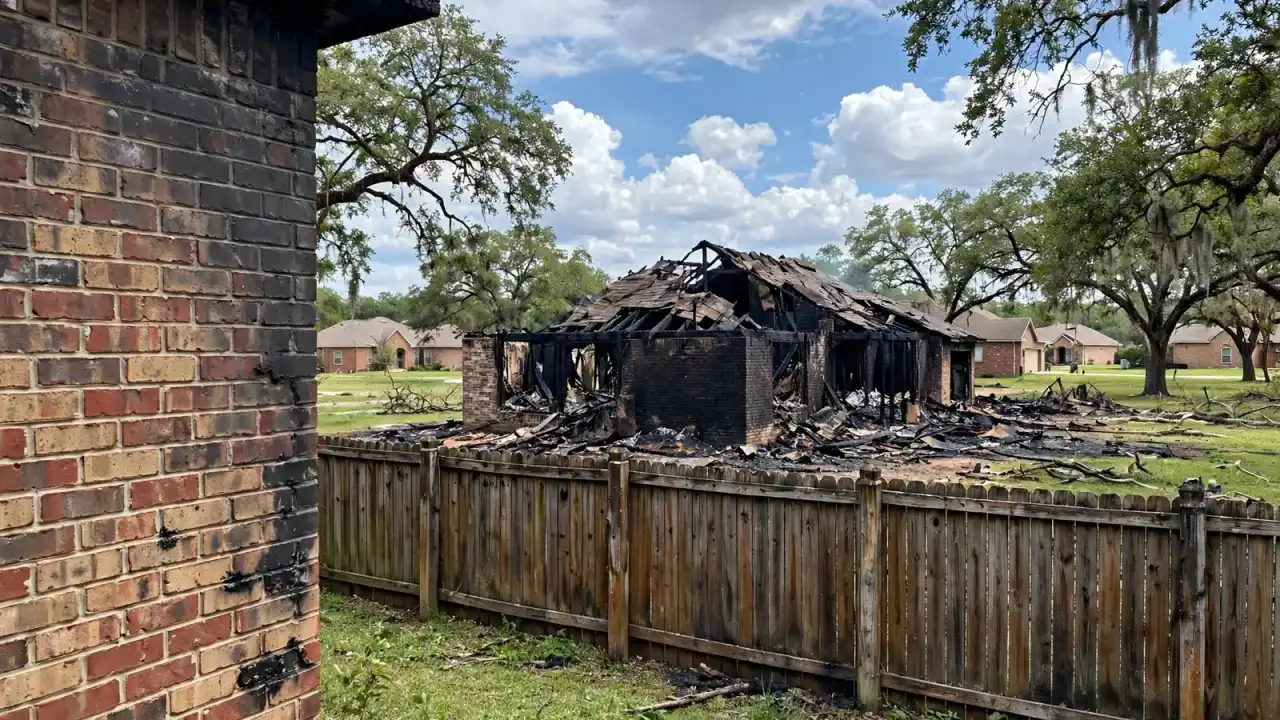
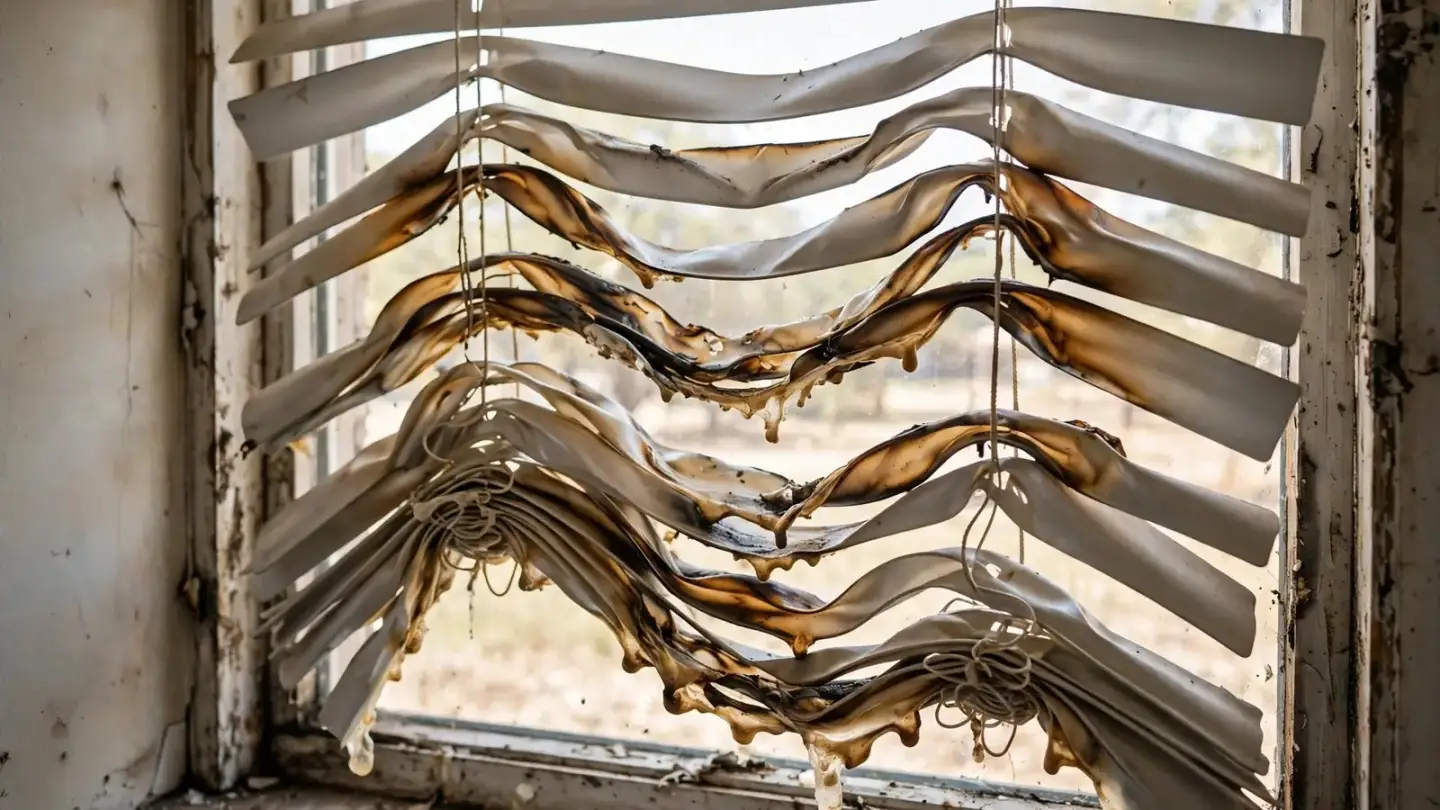
In many Arlington neighborhoods, houses are separated by little more than a side yard and a fence. When one burns, three things can affect the house next door. Smoke drifts into it through open windows, attic vents, gaps around doors and any system drawing in outside air. Radiant heat from the flames can crack windows, melt vinyl blinds and siding, and blister paint on the facing wall. Embers can land on roofs and in yards.
Most of the time the damage to the neighboring house is light, but light damage is easy to miss. A smell that lingers in the attic or a film on the facing windows can become a long-running nuisance if it is not dealt with.
Walk-around
What to check on your house
- 1
The facing wall
Look for soot staining, blistered paint, melted vinyl and cracked brick or mortar.
- 2
Windows on that side
Check for cracked glass, warped frames and melted blinds.
- 3
The roof
From the ground, look for scorched shingles or debris that landed there.
- 4
The attic
Smell at the hatch; smoke often enters through soffit and ridge vents.
- 5
HVAC filter and vents
A dark filter or smell at the vents means smoke was drawn in.
- 6
Yard and fence
Scorched fencing and debris on the lawn.
Cleanup
Cleaning up smoke from outside
Smoke that came from outside usually concentrates in filters, ducts, fabrics and surfaces near openings, rather than throughout the structure. Start by replacing the HVAC filter and checking whether the vents smell when the system runs. Launder curtains and bedding from rooms on the affected side. Wipe window sills and tracks after vacuuming loose residue.
If the attic smells of smoke, the insulation near the vents may have absorbed it. If the smell persists after filters and fabrics are dealt with, ducts and the attic may need professional cleaning.
Damage
Typical damage and fixes
| Damage | Usual fix |
|---|---|
| Soot on brick or siding | Exterior cleaning |
| Cracked window glass | Glass replacement |
| Melted blinds or vinyl trim | Replacement |
| Smoke smell in attic | Insulation inspection, cleaning or replacement |
| Smoke in ducts | Duct cleaning and new filter |
| Scorched fence | Repair or replacement |
Claims
Insurance when the fire was not yours
Many people assume the neighbor's insurer pays for damage to their home. In practice, your own homeowner policy is usually the first place to go for smoke and heat damage to your house, and your insurer may then pursue the neighbor's insurer if appropriate. The Texas Department of Insurance has general guidance on homeowner policies [1]. Photograph damage promptly, keep receipts for cleaning, and report the claim to your insurer.
Be cautious about agreeing to anything informally with the neighbor during a stressful time; let insurers sort out responsibility.
During the fire
When a fire next door is still burning
If you see or smell a fire next door, call 911 and follow instructions from firefighters. If you are told to leave, leave. If you are staying, close windows and doors, set the air conditioning to recirculate or turn it off so it does not pull in smoke, and bring pets inside. Move cars away from the burning house if it is safe to do so.
Do not hose down your own roof or walls while firefighters are working nearby unless they ask you to; you may get in the way or put yourself at risk.
Exterior
Cleaning the outside of your house
Soot on brick, siding and windows on the side facing a neighbor's fire can often be cleaned. Light soot may come off brick with gentle washing; heavier soot needs masonry cleaning methods. Vinyl siding that was warped or melted by heat cannot be cleaned and needs replacing. Painted wood trim may need cleaning and repainting.
Avoid pressure washing brick or mortar at high pressure, which can damage both and drive water into the wall. If in doubt, ask a professional.
Attic
Checking your attic safely
- 1
Pick a warm afternoon
Smoke odor is strongest when the attic is warm.
- 2
Stay at the hatch
Smell from the ladder at the opening rather than climbing in.
- 3
Look for scorching
Check visible rafters and decking near vents on the side facing the fire.
- 4
Note insulation colour
Grey or dark insulation near vents can mean smoke was drawn in.
- 5
Call for inspection
If the smell is strong, have a contractor inspect and advise.
FAQ
Neighbor fire questions
Does my insurance or my neighbor's pay?
Usually you start with your own policy; your insurer may then seek recovery from the neighbor's insurer. Check your policy.
How do I know smoke got into my attic?
Smell at the attic hatch on a warm day. A smoky smell there means insulation near the vents may have absorbed smoke.
Should I run my AC during a neighbor's fire?
Set it to recirculate or turn it off so it does not pull smoke in, then replace the filter afterwards.
Can heat from next door crack my windows?
Yes. Radiant heat can crack glass and melt vinyl on the facing side.
Will my neighbor's fire raise my insurance?
Rate effects vary by insurer and policy. Ask your agent; claims for damage you did not cause may be treated differently.
Can I pressure wash soot off my brick?
Low-pressure washing may help with light soot, but high pressure can damage brick and mortar and drive water into the wall.
Should I replace my HVAC filter after a neighbor's fire?
Yes. Replace it promptly, and again a few weeks later, because it captures much of the smoke drawn into the house.
How long does outside smoke smell last indoors?
Light odor from outside smoke often fades within days once filters and fabrics are dealt with. If it lingers, check the attic and ducts.
Should I check my car after a neighbor's fire?
Yes. Look for heat damage to paint, lights and trim and for smoke smell inside if it was parked nearby.
Do I need to tell my HOA?
If exterior repairs are needed, yes. Associations may need to approve materials or colours.